Lake Bled vs. Lake Bohinj: Choosing Your Proper Alpine Escape
When standing on the eastern shore of Lake Bled, one is greeted by the distinct sound of international chatter, the steady splash of wooden pletna oars, and the baroque silhouette of an island church that has appeared on millions of postcards. Drive twenty-six kilometres further west, past the roaring gorge of Mostnica, and the limestone walls of the Julian Alps close in around a body of water that feels less like a manicured park and more like an accidental sanctuary. Choosing between these two Slovenian waters is not merely a matter of itinerary planning. It is a fundamental philosophical decision about what one expects from an alpine escape.
The Geography and Landscape Contrast
Bled sits comfortably in an open, sun-drenched basin where the Pokljuka plateau gently yields to the Sava Dolinka valley. The surrounding hills roll back, creating an amphitheatre effect that catches the afternoon light and warms the water to a relatively forgiving degree by mid-summer. It is accessible, open, and visually framed by the medieval castle perched upon its sheer cliff face.
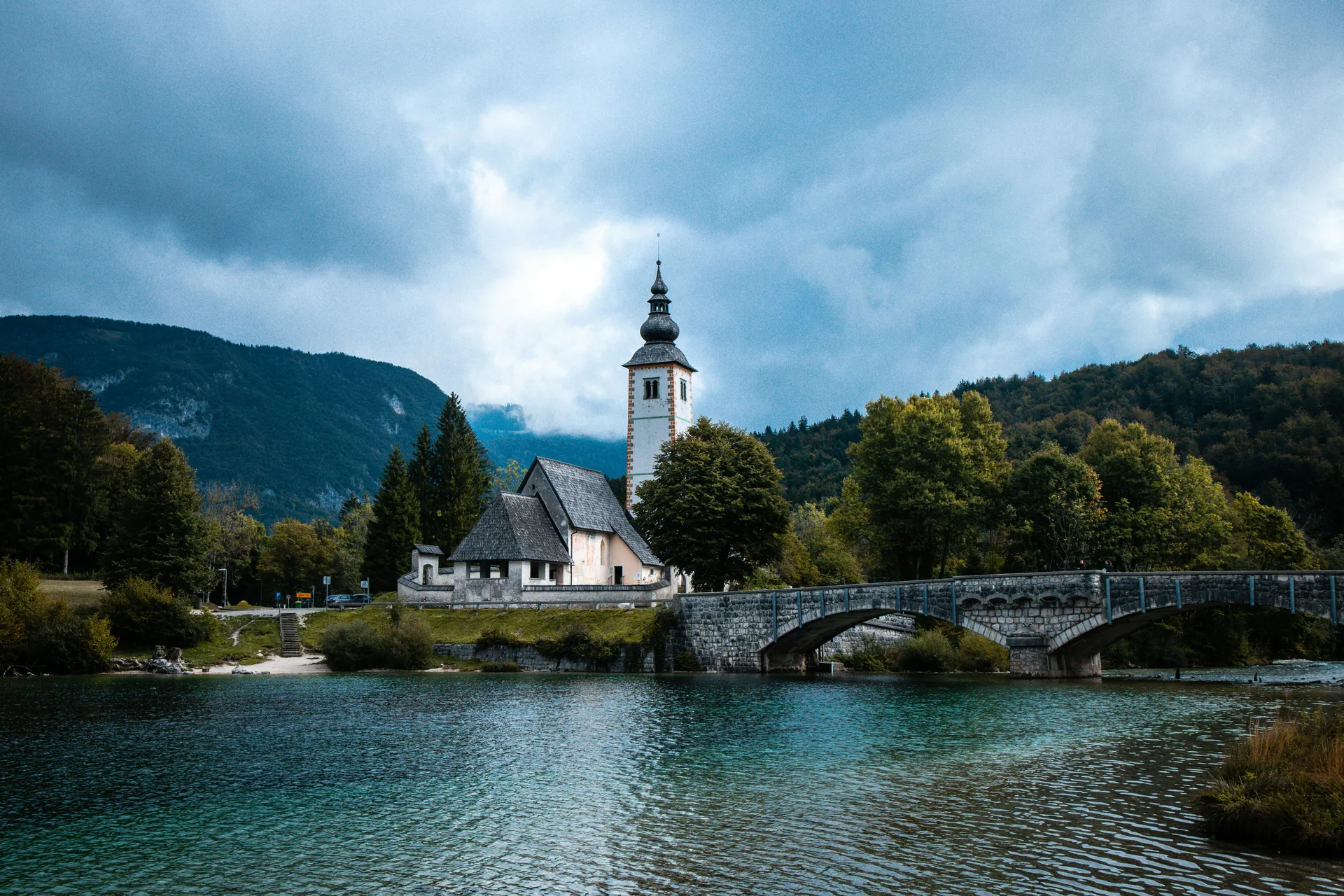
Bohinj is an exercise in glacial confinement. Scraped deep by ancient ice sheets and hemmed in by the towering limestone ramparts of Pršivec and Vogel, the basin feels intensely secluded. The water here is fed by subterranean karst springs and the Slap Savica waterfall, keeping temperatures bracingly cold well into July. There are no manicured promenades along this shore, only gravel paths, ancient beech forests, and vertical cliffs plunging straight into the green depths. For a wider overview of this protected landscape, consult our Lake Bohinj nature guide.
If Bled is a curated painting in a gilded frame, Bohinj is a raw sketch pulled straight from a geologist’s notebook. My dog Baraba refuses to swim in either without a stern command, but at Bohinj, even the trout look like they take their duties more seriously.
Architecture and Human Imprint
The human history of these two valleys tells divergent stories of settlement and ambition. Bled has a long legacy of ecclesiastical grandeur and aristocratic leisure, anchored by Blejski grad, the oldest castle in Slovenia, which sits on a stone bluff above the water. Down by the shoreline, historic villa bathhouses remain as reminders of Austro-Hungarian nobility taking thermal cures.
Bohinj carries the quiet dignity of agropastoral survival. In settlements like Stara Fužina and Ribčev Laz, stone humpbacked bridges cross clear streams, accompanied by traditional wooden hayracks known as kozolci. Dairy farming traditions continue here much as they have for generations. Teh iconic stone bridge at the lake outlet, paired with the rustic Church of St. John the Baptist, reflects genuine rural community integration rather than royal display. Details on managing visits to these delicate historic zones are managed by the Triglav National Park Public Institute.
Crowd Dynamics and Seasonal Density
Bled operates under a heavy tourist current. Tour buses drop off thousands of visitors daily onto the main promenade during the peak summer months. Finding solitude along the eastern or northern shore after ten in the morning requires considerable patience and physical distance from the main parking areas.
Bohinj operates under stricter spatial and environmental controls because more than sixty percent of its municipality lies within Triglav National Park. Summer weekends bring local day-trippers from Ljubljana, yet the massive scale of the surrounding mountain basin absorbs human density without feeling overwhelmed. There are no high-rise hotels or commercial entertainment complexes here. The ambient sound profile consists primarily of wind moving through red pine needles, river currents, and cowbells ringing from upper mountain pastures.
Swimming and Water Access
Water access highlights the fundamental character split between both lakes. Swimming at Lake Bled takes place within regulated lidos like Castle Bathing Area, featuring fenced swimming pools, sun loungers, and designated diving boards. Non-regulated swimming is restricted along large stretches of the shore to prevent erosion and preserve delicate reed beds.
Lake Bohinj allows swimming along almost its entire twelve-kilometre shoreline, provided visitors respect clearly defined conservation markers. The northern bank consists of pebble beaches and cold inlet streams, while the western end near Ukanc offers shallow gravel bars suitable for wading. Water temperatures at Bohinj remain roughly two to four degrees Celsius colder than Lake Bled throughout the summer season. If you are planning an active day on the water, review our guide to activities and water sports before setting out.
Hiking and Vertical Ambitions
Walking at Bled consists primarily of the flat, six-kilometre paved circuit around the water’s perimeter. Short, steep trails ascend to popular viewpoints such as Ojstrica and Mala Osojnica, offering iconic elevated perspectives of the island and castle. These paths are well-trodden and frequently crowded by midday.
Bohinj serves as a primary launching pad for high-altitude alpine expeditions. Trailheads from Stara Fužina and Ukanc ascend directly into the heart of the Julian Alps, connecting to long-distance routes like the Juliana Trail and the ascension paths to Mount Triglav itself. Moderate hikes lead up to the Vogar viewpoint or through the Mostnica Gorge, where limestone walls pinch the river into turquoise pools. Hikers can study route details on our dedicated hiking trails guide.
Conservation Rules and Park Regulations
Because Lake Bohinj sits inside Triglav National Park, strict legal protections govern every visitor interaction. Wild camping and overnight parking in non-designated zones are strictly illegal, carrying heavy fines enforced by park rangers. Motorised craft are banned on the lake water, leaving only electric paddle steamers, kayaks, SUPs, and traditional rowboats.
Lake Bled operates primarily under municipal conservation ordinances. While motorized personal watercraft are similarly prohibited, the town infrastructure accommodates higher density commercial development, extensive shoreline lighting, and paved lakeside paths. Visitors planning an extended trip should inspect our summary of visitor rules and regulations to ensure full compliance with regional conservation laws.
Transport Connectivity and Logistics
Bled offers direct regional transport links. Hourly buses connect the town directly to Ljubljana in under seventy-five minutes, while the nearby Lesce-Bled railway station links the area to major European rail corridors. Driving from Ljubljana via the A2 motorway is straightforward, though parking near the lake during peak hours demands early arrival.
Reaching Bohinj requires travelling an additional twenty-six kilometres past Bled along regional road 209. Public buses run regularly from the central bus terminal, continuing through Bohinjska Bistrica to the lakeside villages of Ribčev Laz and Ukanc. Check schedules directly through the Ljubljana Bus Station portal. Alternatively, travelers arriving by rail can experience the historic Bohinj Railway line, which connects Jesenice to Most na Soči through spectacular alpine tunnels. For step-by-step route advice, consult our comprehensive transport guide.
Comparison of Practical Metrics
| Metric / Feature | Lake Bled | Lake Bohinj |
|---|---|---|
| Primary Vibe | Resort elegance, historic island, promenade dining | Wild alpine solitude, pristine national park nature |
| Average Summer Water Temp | 22°C to 24°C | 18°C to 20°C |
| Public Transit Connection | Direct frequent buses and nearby main train station | Regional buses via Bled, historic Bohinj Railway line |
| Hiking Profile | Paved lake circuit, short steep viewpoint hills | Rugged alpine ascents, deep gorges, multi-day mountain routes |
| Conservation Status | Municipal green scheme protection | Strict Triglav National Park zoning laws |
Accommodation Styles and Where to Stay
Accommodation options reflected in both basins match their overall travel philosophies. Bled features classic grand hotels, boutique wellness resorts, and high-end lakeside apartments. Dining along the water ranges from traditional cake shops serving cream slice (Kremšnita) to fine-dining establishments operating within castle precincts.
Bohinj offers a decentralized network of traditional family-run guesthouses, private apartments, and eco-certified hotels spread across distinct villages. Campers find refuge at Camp Danica in Bohinjska Bistrica or Camp Zlatorog right on the western shore at Ukanc. You can explore localized village lodging options using our guide on where to stay in the Bohinj valley.
Family and Activity Suitability
Choose Lake Bled If:
- You prefer refined hotel amenities, spa facilities, and fine dining.
- You are travelling with family members who require gentle, paved walking paths.
- You want iconic cultural sights like cliffside castles and island churches.
- You appreciate immediate access to cafes, shops, and regular bus departures.
Choose Lake Bohinj If:
- You seek deep silence, dark night skies, and natural gravel shores.
- You intend to conquer serious mountain summits inside Triglav National Park.
- You enjoy cold water swimming, open-water kayaking, and forest exploration.
- You prefer authentic rural villages over commercial resort promenades.
Day Trip Realities and Itinerary Planning
Travelers routinely ask whether visiting both lakes in a single day is practical. While the twenty-six kilometre distance takes only thirty minutes by car without traffic, attempting both in eight hours dilutes the subtle qualities of each basin. Bled requires at least half a day to tour the castle, ride a pletna boat to the island, and complete the shoreline walk.
Bohinj demands a slower pace. Simply walking the twelve-kilometre lake perimeter takes three to four hours, while riding the cable car to Vogel or ascending to Savica Waterfall takes another half day. Rushing between both creates unnecessary stress during peak transit times. For a broader regional journey, you might also consider combining your mountain stay with a visit to Slovenia’s most scenic coastal towns like Piran.
Live Weather and Seasonal Microclimates
The weather in this valley behaves like a stubborn local elder who changes his mind without warning, throwing down a sudden rain shower just as you set off. Mountain ridges surrounding Bohinj trap moisture coming up from the Adriatic Sea, resulting in rapid weather shifts and higher annual rainfall than Bled. Official atmospheric forecasts can be verified through the Slovenian Environment Agency.
Spring brings roaring water flow to Savica Waterfall as mountain snow melts, while autumn coats the beech forests in golden orange light. Winter transforms Vogel into a high-altitude ski arena with views looking straight across to Mount Triglav. Anyone venturing into upper elevation trails should consult our safety advice on wildlife and bear safety in the Julian Alps.
Practical Planning Realities
Navigating the practical differences between both destinations requires understanding localized conditions before booking tickets or packing equipment. Is Lake Bohinj worth visiting compared to Bled? For outdoor enthusiasts and lovers of untamed scenery, Bohinj is unquestionably superior. The sense of open scale and quiet water provides a genuine respite from crowded European travel corridors.
How long does it take to walk around Lake Bohinj? The trail measures approximately twelve kilometres and requires three to four hours of steady walking. Teh path along the northern shore follows uneven forest terrain with exposed roots and loose stone, whereas the southern shore features smooth gravel paths. Good hiking boots make the northern passage much more comfortable.
Is Bohinj significantly colder than Bled? Air temperatures in the Bohinj basin run two to three degrees lower on average due to steep valley shadows and high surrounding ridges. Water temperatures remain cooler as well because cold mountain streams continually feed the lake basin. Packing an extra thermal layer and a durable waterproof shell is mandatory regardless of the summer forecast.
How does one arrange guided excursions or gear rentals? Commercial outfitters operate out of both Ribčev Laz and Ukanc, providing kayak rentals, guided mountain treks, and canyoning trips. Travelers seeking pre-arranged excursion tickets can browse through our list of curated tours and activity options. For overall trip timing and weather expectations, consult our seasonal planning guide.
The proper traveler does not ask which place is objectively better. They ask which valley demands the right kind of attention for their soul.
Final Verdict
Lake Bled delivers refined alpine elegance, striking romantic views, and well-developed tourist infrastructure that makes for an effortless holiday. Lake Bohinj offers vast glacial scale, pristine nature, and access to rugged mountain trails for those who prefer boots covered in trail dust over pristine resort promenades. Choosing between these two lakes comes down to what kind of experience you are looking for.