The Best Time to Visit Slovenia: A Seasonal Guide
The Alpine Climate Baseline
People always ask me what the best month to go to slovenia is. I usually tell them it depends entirely on their tolerance for rain and their affection for crowds. Lake Bohinj is the wilder sibling to Bled. It is a glacial lake in Triglav National Park. The weather here is like a stubborn local elder: one minute perfectly pleasant, the next throwing a freezing wet tantrum. You need to pack for sudden shifts in temperature. Travellers often debate what is better, Lake Bled or Lake Bohinj. Bled is for the postcards. Bohinj is for the hikers. People wonder if Lake Bohinj is worth it, considering the extra drive. It is absolutely worth your time if you prefer silence over horse-drawn carriages. My dog, Baraba, prefers the shoulder seasons when the trails are empty. I agree with him. Every season has a distinct character. You just need to know what you want out of the trip. The Slovenian Environment Agency (ARSO) tracks the shifting weather patterns, and their radar maps are essential reading before you leave your accommodation.Spring: The Great Thaw (March – May)
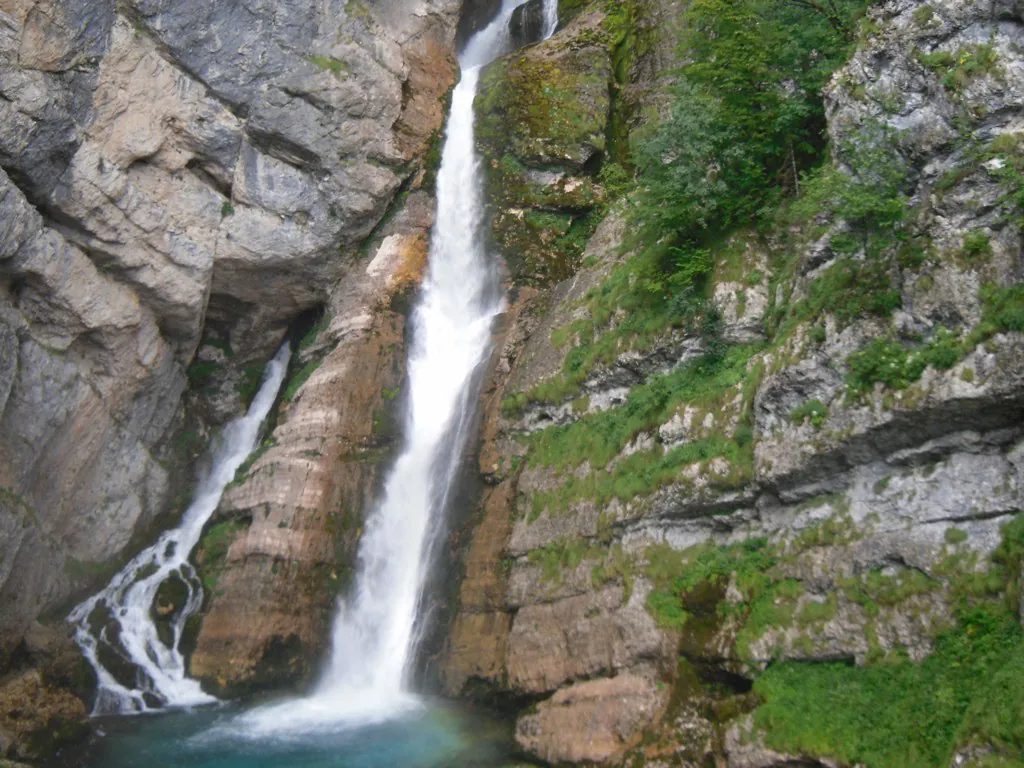
From March to May, the Julian Alps wake up. The snow melts off the lower peaks and feeds the streams. This is when the Savica Waterfall is at its absolute loudest. The water crashes down the limestone cliffs with immense force.
Spring hiking requires waterproof boots. The paths are muddy. High-altitude routes remain closed due to snow. You stay in the valley during these months. The air is cold in the morning, but the afternoon sun warms the meadows. The Triglav National Park Authority updates trail conditions weekly, and you should check their reports before attempting any elevation gain. You can read more about the accessible valley paths in our Hiking Trails & Viewpoints guide.
Summer: The Emerald Peak (June – August)
June brings the heat. By July, the lake turns a deep emerald green. The water is fresh, but it is warm enough for a proper swim. You will definitly see more people now. The shores fill up with families and kayakers.The summer lake is a brilliant green mirror, but you must earn your quiet corners by walking further down the north shore.
Autumn: The Golden Larches (September – November)
A lake bohinj autumn is my personal favourite time of year. September clears out the summer holidaymakers. October is the peak month for viewing the golden larch trees. High-altitude areas like the Pokljuka plateau and Mt. Mrežce turn bright yellow. The visual contrast against the grey limestone is striking.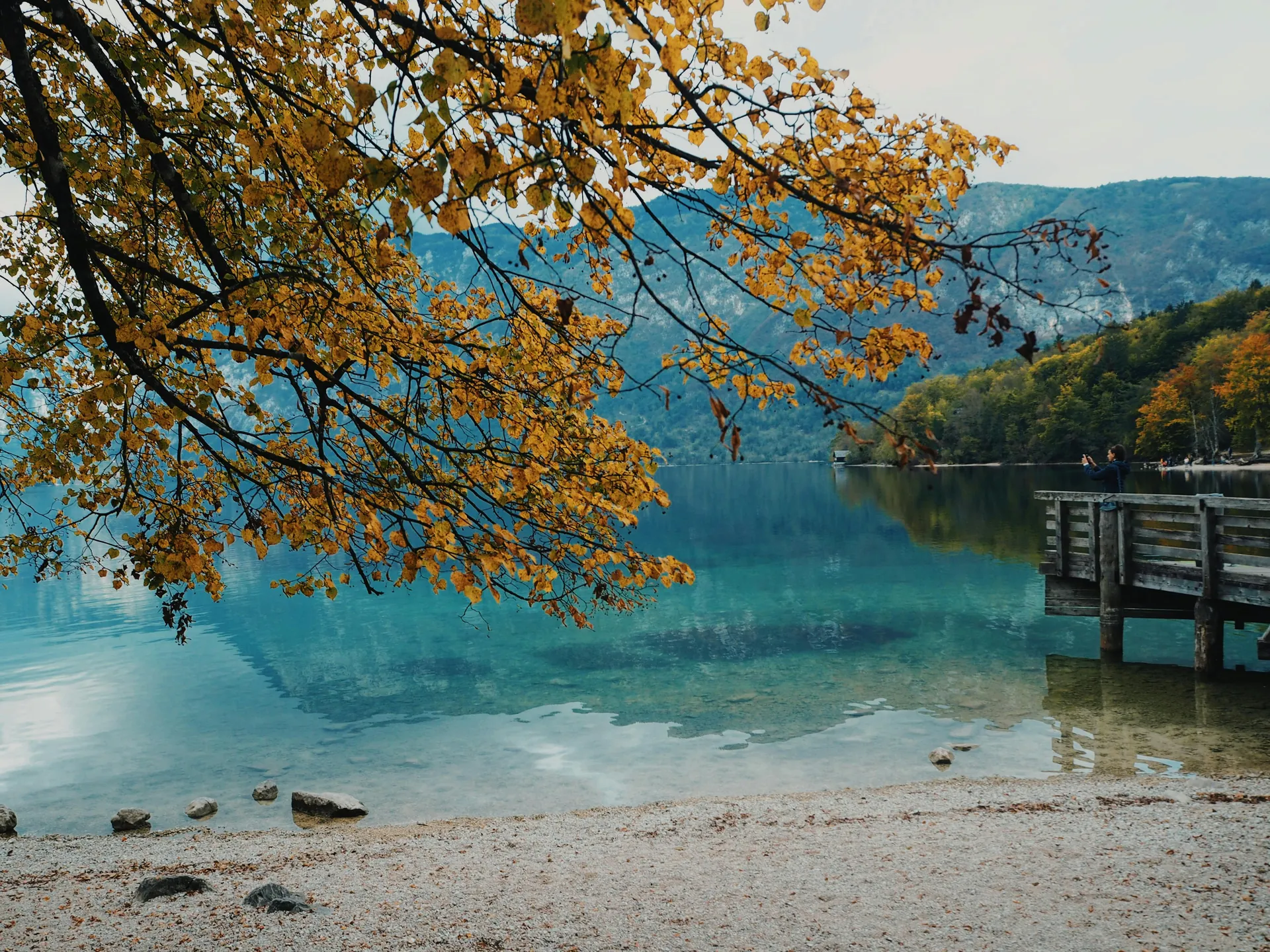
Winter: The Silent Freeze (December – February)
A lake bohinj winter is entirely different from the rest of the year. The valley floor freezes. People wonder if Bohinj is colder than Bled. It is significantly colder. The steep mountains cast long shadows, keeping the sun out of the valley for most of teh day. The lake occasionally freezes near the edges, creating a stark, monochromatic landscape.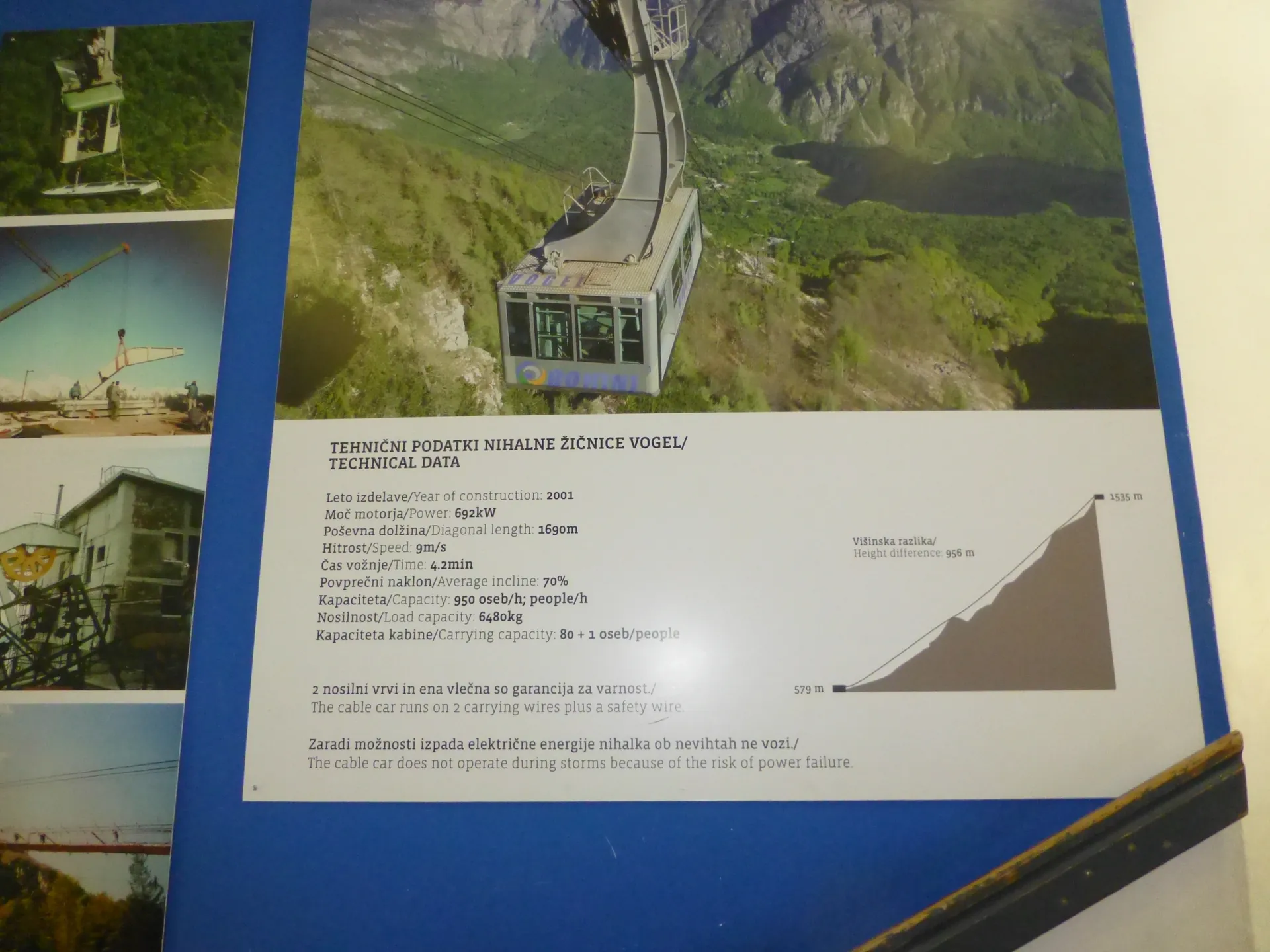
Winter sports dominate the local economy. Vogel Ski Resort operates on natural snow from December through the spring months. The gondola transports visitors from the valley in Ukanc up to 1,535 metres. The slopes reach up to 1,800 metres. The resort has 22 kilometres of ski slopes, split between easy and intermediate difficulty. A main season adult day pass costs €45. You can check current lift operations on the official Vogel Ski Center website.