Exploring Triglav National Park: Beyond the Lakes
The Pull of the High Passes
Bohinj is a hard place to leave. The morning water is black and entirely still. The air off the Julian Alps is sharp enough to wake you before the coffee finishes brewing. People always ask what is better, Lake Bled or Lake Bohinj. The answer depends entirely on your tolerance for crowds. Bohinj is the wilder alternative. It demands a bit more effort to reach. If you wonder if Bohinj is colder than Bled, the answer is yes. The steep alpine walls keep the valley in shadow for longer. The wind off the glacial moraines regulates the temperature strictly. Baraba, my rather impatient dog, usually dictates our schedule. He grows restless if we stay parked in one valley for too long. We pack the car and prepare to push out towards the edges of Triglav National Park. Exploring the wider region gives you a proper sense of the country’s scale. Slovenia is remarkably compact. You can drive from the high peaks to the salt flats in a single morning. If you prefer not to drive the mountain roads yourself, you can always check the local bus schedules for regional connections.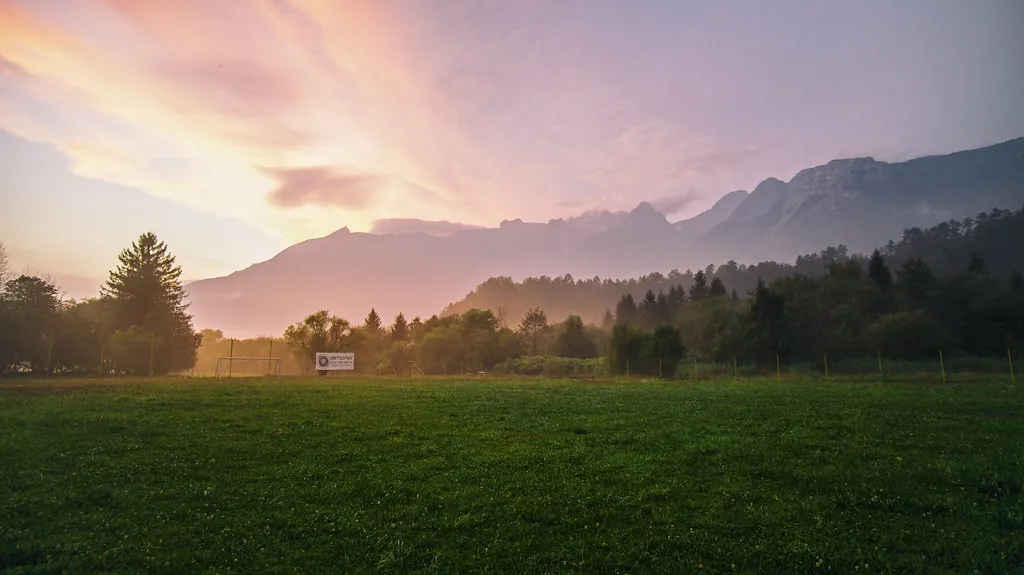
Triglav’s Northern Edge
Heading north out of the basin, the roads narrow considerably. The Vrata Valley cuts a deep groove into the limestone beneath the northern face of Mount Triglav. This area holds the Peričnik Waterfall. It is a dual drop. The lower section falls 52 metres over a sheer rock face. The upper section is smaller at 16 metres. You can walk on a wet, narrow track directly behind the main water curtain. The spray is freezing. The noise drowns out any conversation. Access to the waterfall itself is free. The local municipality charges €4 per hour for summer parking, or €20 for the day. It is a fair price for maintaining the trails. The forest here is dense and dark. We always keep Baraba on a short lead. Our wildlife safety guide covers the local brown bear population in detail. You rarely see them. They definitely see you.The High Pass to the Emerald Water
The drive from lake bohinj to soca valley requires crossing the Vršič Pass. It is a relentless series of fifty hairpin turns. The road was built by Russian prisoners of war during the First World War. The cobblestones on the sharpest corners test your suspension. The descent drops you into the Trenta Valley.
The Soča River runs through this deep gorge. The water is an unnatural, glowing turquoise. The colour comes from suspended limestone particles reflecting the light. It is cold enough to numb your feet in seconds. Many experienced travellers consider this gorge the most beautiful part of slovenia. Adrenaline seekers usually base themselves in the town of Bovec. If you want to experience the rapids directly, you can book whitewater rafting on the Soča. The local guides know the dangerous undercurrents. I prefer to watch from the swaying wooden suspension bridges.
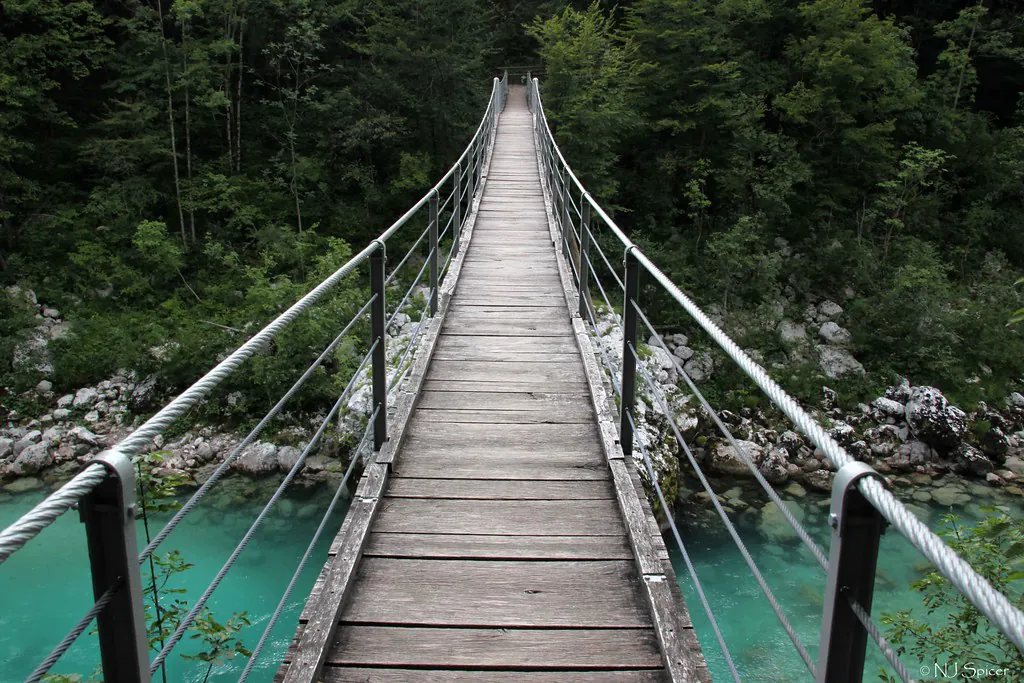
The weather shifts constantly in these narrow ravines. It changes moods like a stubborn local elder refusing a second cup of coffee.
The Weight of Kobarid
Further down the river, the town of Kobarid sits in a wider basin. The surrounding scenery is spectacular. It masks a brutal history. The Kobarid Museum documents the Isonzo Front. This was the site of the high-altitude trench warfare between the Italian and Austro-Hungarian empires. Adult entry is €8. The exhibits are intensely sobering. You see the crude weapons and the desperate letters sent home. The museum explains the sheer misery of fighting in the winter Alps, which we had no time to prepare for when planning our cheerful holiday itinerary. It grounds the beauty of the landscape in harsh reality. If you want a structured overview of the region, a guided day trip to the Soča Valley often includes the museum and a walk to the surrounding defensive trenches.Hidden Gorges and Subterranean Mines
We push south towards the town of Cerkno. The Pasica gorge hides the Franja Partisan Hospital. This was a secret medical complex built during the Second World War. The wooden barracks were constructed directly over a roaring stream to mask the noise of the medical machinery. Severe storms in the summer of 2023 devastated the site. Floodwaters destroyed the access paths and completely washed away several cabins. The hospital is currently closed to visitors for a massive, multi-year restoration project. We detour to the town of Idrija instead. Idrija is built on a massive underground deposit of liquid mercury. The Anthony’s Main Road mine entrance dates back to 1500. You put on a heavy jacket and a hard hat to descend into the earth. The tunnels are dark and damp. The adult ticket is roughly €15. The guides explain the toxic reality of historical mercury extraction. The miners suffered terribly from heavy metal poisoning. The extracted wealth built the grand, orderly houses on the surface.The Deep Karst
The geography breaks down into porous limestone in the southwest. The Karst region is hollow. Rivers vanish into the ground and carve out massive caverns. The Škocjan Caves are a UNESCO World Heritage site. You walk through a subterranean canyon. The Reka River roars at the bottom of the gorge. You cross the Cerkvenik Bridge. It is suspended nearly 50 metres above the water inside the dark cave. The sheer volume of empty space above your head is unnerving.The temperature stays at a constant 12 degrees Celsius. Adult tickets range from €20 to €24. You must book ahead in the summer. It is a completely different experience from the crowded tourist trains at Postojna. You walk the whole route. I highly recommend bringing the following items:The sheer scale of the Reka River canyon makes other show caves feel like a theme park ride. Škocjan requires you to walk and earn the view.
Jakob Vogel
- A heavy waterproof jacket to block the subterranean chill.
- Proper hiking boots with grip for the wet limestone steps.
| Destination | Adult Ticket Price | Notable Feature |
|---|---|---|
| Peričnik Waterfall | Free (€4/hr parking) | Walk behind the falls |
| Kobarid Museum | €8.00 | WWI Isonzo Front exhibits |
| Idrija Mercury Mine | ~€15.00 | 1500s subterranean shafts |
| Škocjan Caves | €20.00 – €24.00 | Massive underground canyon |
Salt Air and the Adriatic
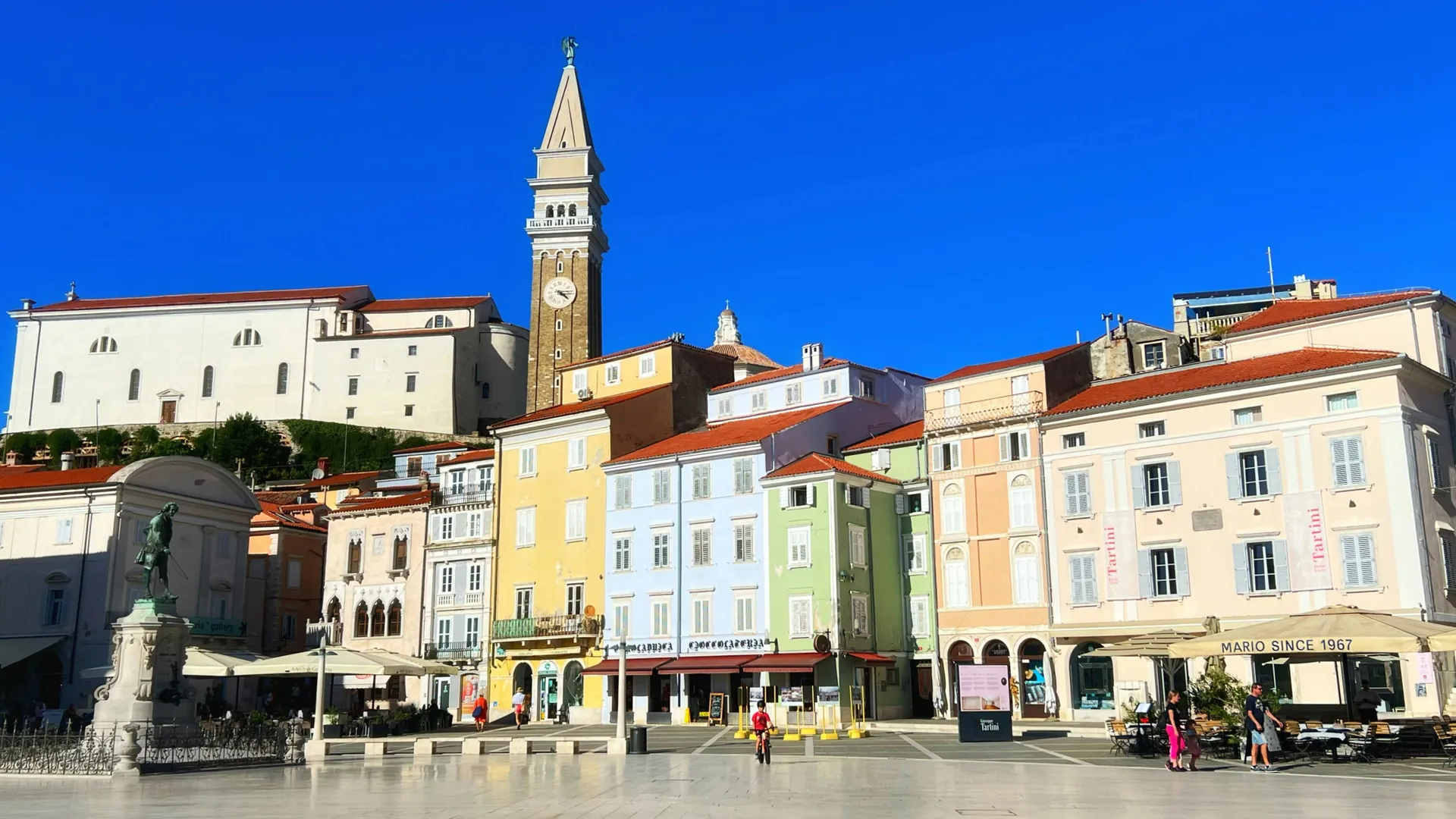
The temperature rises as the elevation drops. You smell the salt long before you see the Adriatic Sea. The fortified Holy Trinity Church in Hrastovlje is a mandatory stop. The village is surrounded by low vineyards. The church walls are painted with a 15th-century ‘Dance of Death’ fresco. The skeletons lead kings and beggars to the open grave. It is a blunt medieval reminder that everyone ends up in teh dirt. The road terminates at the coast. The Strunjan Nature Reserve protects the highest flysch cliffs in the region. You can walk along the edge of the eighty-metre drop. Entry to the reserve is free. People often debate what is the nicest coastal town in Slovenia. Piran gets all the attention. It has Venetian architecture and narrow alleys. I prefer Izola. It is a working fishing port. We find a cafe near the docks. Baraba sleeps under the table while we drink strong espresso. You can compare these towns in our coastal town guide.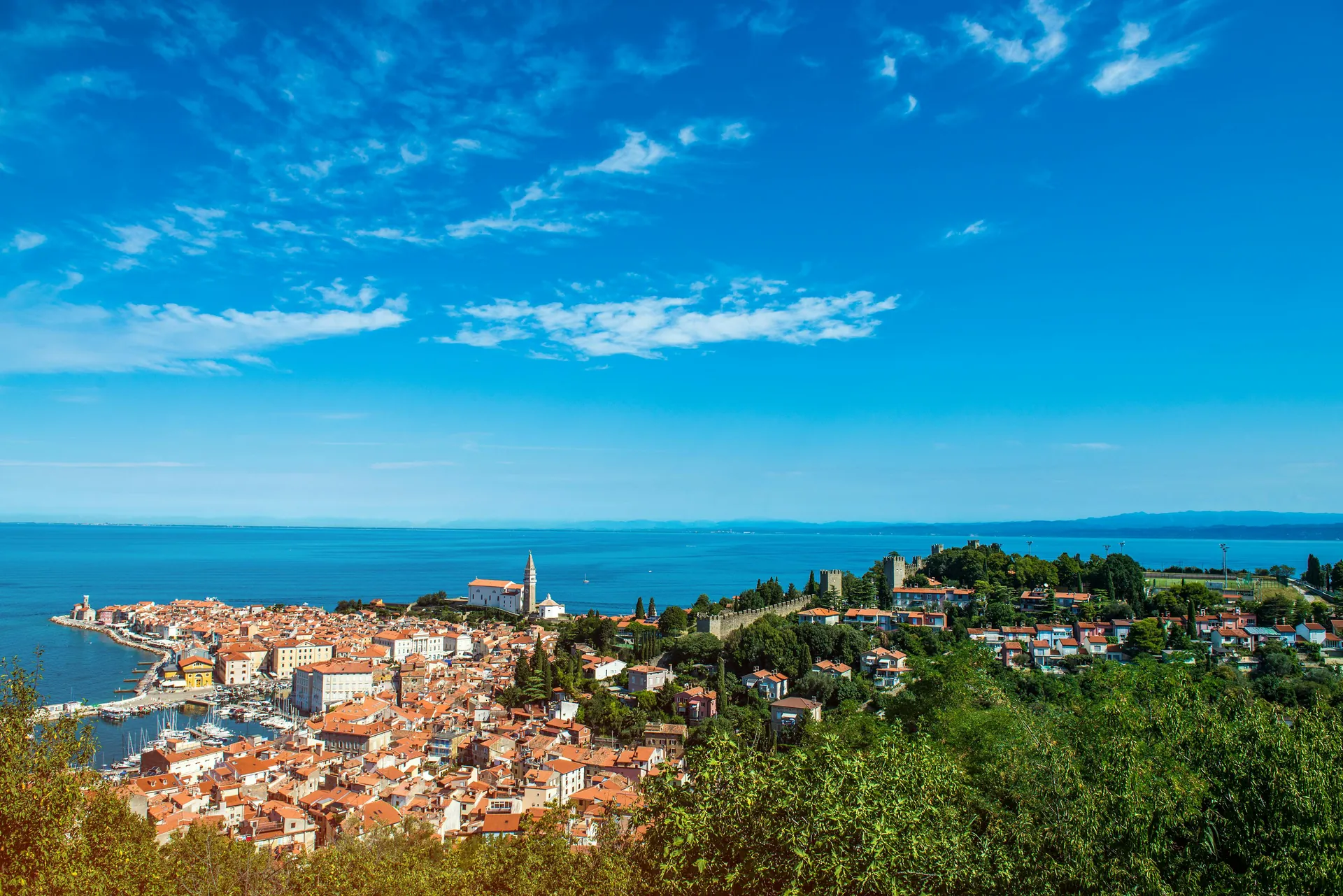
The Iron Return
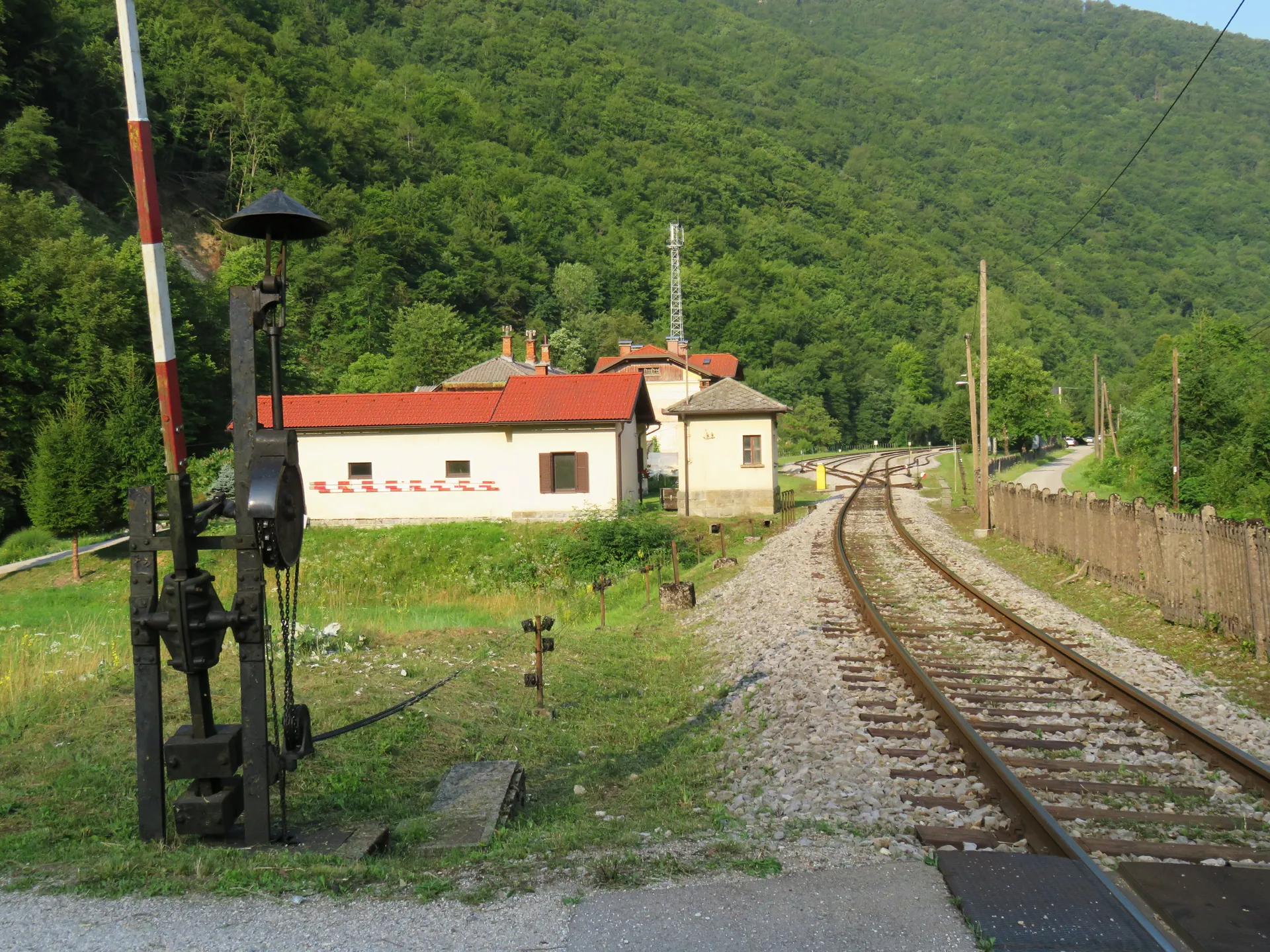
The drive back to the mountains is long. We cheat. We drive to Nova Gorica and load the car onto the Bohinj Railway car train. It is widely considered the most beautiful train ride in Slovenia. The tracks follow the Bača ravine. They pass over stone viaducts and punch through long tunnels. You sit in your car while the train does the work. You can read the schedule and details in our historic railway breakdown. The train eventually enters the Bohinjsko Sedlo tunnel. It is six kilometres long. You plunge into absolute darkness.