Bears and Wildlife Safety in Slovenia’s Alps
The Reality of the Julian Alps
Walking through the Julian Alps is a raw experience. You are a guest in a high-altitude territory governed by forces older than human habitation. My dog, Baraba, often senses these things before I do. He freezes on the trail with his ears pinned back, entirely focused on a scent drifting off the limestone. We share this space with a complex ecosystem, and understanding wildlife in slovenia is mandatory for anyone stepping off the pavement.
The Slovenian Brown Bear: Mountain Myths and Statistical Facts
The most frequent question I hear at the trailheads is: are there bears in Bohinj? The short answer is yes, but the context matters immensely. Slovenia has a highly successful brown bear population. Current estimates for 2025 and 2026 place the number between 950 and roughly 1,100 individuals across the country. According to official data distributed via the Slovenian Tourist Board, this density is among the highest on the continent.
The reality of the terrain tells a different story. Triglav National Park does not have a permanent breeding population of brown bears. Sightings in the Bohinj and Triglav areas are exceedingly rare. The bears present in these northern peaks are almost exclusively solitary males wandering through a territory they are unfamiliar with.
Why Kočevje Has the Numbers
Around 80 percent of the country’s bears live in the Dinaric region. They are heavily concentrated in the southern Kočevje forests. If you want guaranteed sightings, you must travel south and book dedicated wildlife hides with local operators. Searching for them in the Julian Alps is a fool’s errand. For those looking to explore the general alpine environment safely, a Full-Day Triglav National Park Tour offers guided structure without the stress of navigating remote animal territories alone.
The 50-Metre Protocol
Encounters happen, usually when the wind masks your approach. The critical safety distance for a brown bear encounter is 50 metres. You must maintain this buffer at all times.
If a bear stands on its hind legs, it is inspecting the area to get a better view or scent. It is not preparing an attack. You must back away slowly and speak calmly in a low tone. Do not turn your back on the animal.
Running triggers a predator chase response. You cannot outrun a bear on scree or flat ground. Keep your backpack on at all times, as it offers vital spine protection in the absolute worst-case scenario.
Wolves and the Eurasian Lynx
Grey wolves and the Eurasian lynx live in the national park. They exist in very small numbers and actively avoid human contact. You will likely never see them. They are heavily protected under national and European law, existing as ghosts in the deep timberline above the lake.
Masters of the Crags
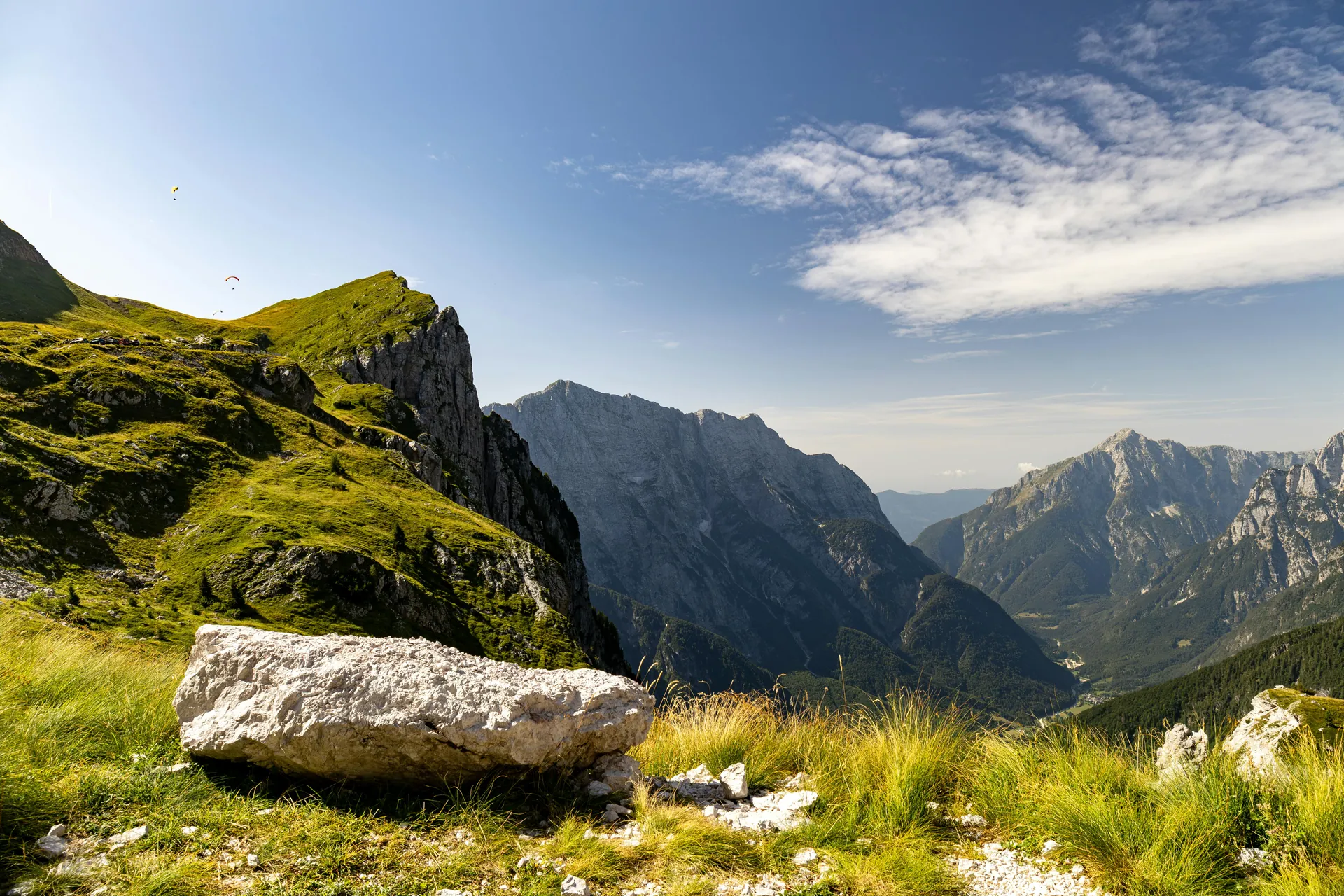
The Alpine chamois is the most common large mammal in the rocky terrain above the tree line. You will spot them navigating near-vertical drops with complete indifference to gravity. The Alpine ibex is also present. This species was successfully resettled in the region after historical local extinction. You can often see them while hiking the higher trails around the Bohinj basin, particularly on the exposed ridges during early morning hours.
The Alpine Marmot
Long before you see a marmot, you will hear one. Their high-altitude alarm calls echo across the valleys. They act as the early warning system for the entire mountain. They were also reintroduced to the area and thrive in the boulder fields. They spend roughly six months of the year hibernating beneath the snowpack.
Slithering Locals: Vipers on the Trail
People often ask if there are snakes in Lake Bled and the surrounding Bohinj region. The answer is a definitive yes. The Horned Viper and the Common Viper are the primary venomous snakes in the Julian Alps. They prefer sun-baked rocks. You should always watch your step when climbing over fallen logs or navigating boulder fields. They bite only when stepped on or cornered.
Navigating Alpine Pastures
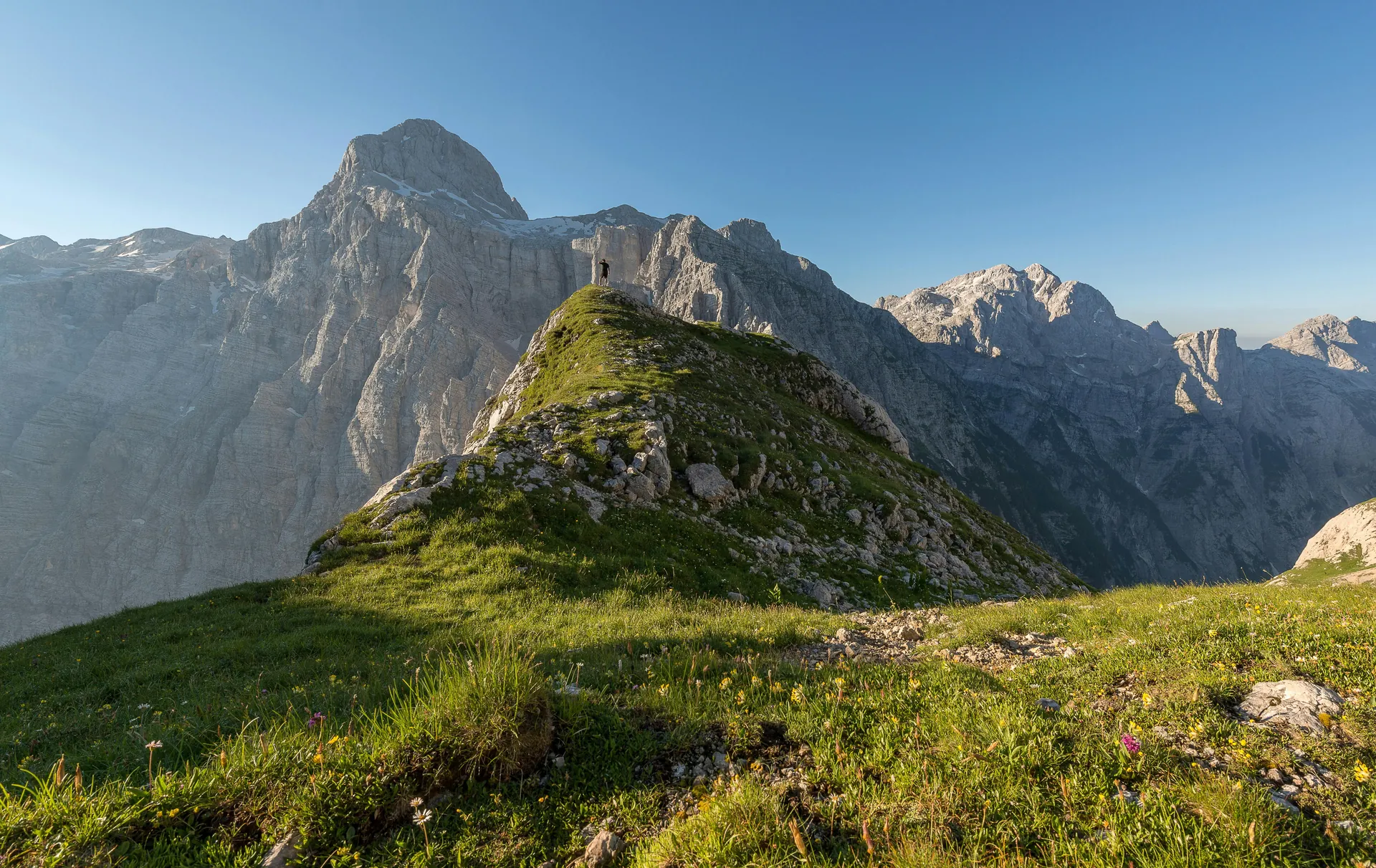
The high pastures are working agricultural zones. You must maintain a wide berth from grazing livestock. Cows are highly protective of their calves. Do not attempt to pet them, and do not walk directly through the middle of a herd. These rules prevent defensive reactions from the animals and their guardian dogs, which take their jobs incredibly seriously.
Hiking with Dogs in the National Park
Taking a dog into the mountains is a major responsibility. Triglav National Park legally requires all dogs to be on a leash at all times. This prevents the harasment of wild animals. Baraba remains tethered to my waist on every ascent. The Official Triglav National Park Portal clearly outlines these fines, and rangers actively patrol the popular routes. Check the Visitor Rules and Guidelines for a full breakdown of park etiquette.
Water Regulations for Pets
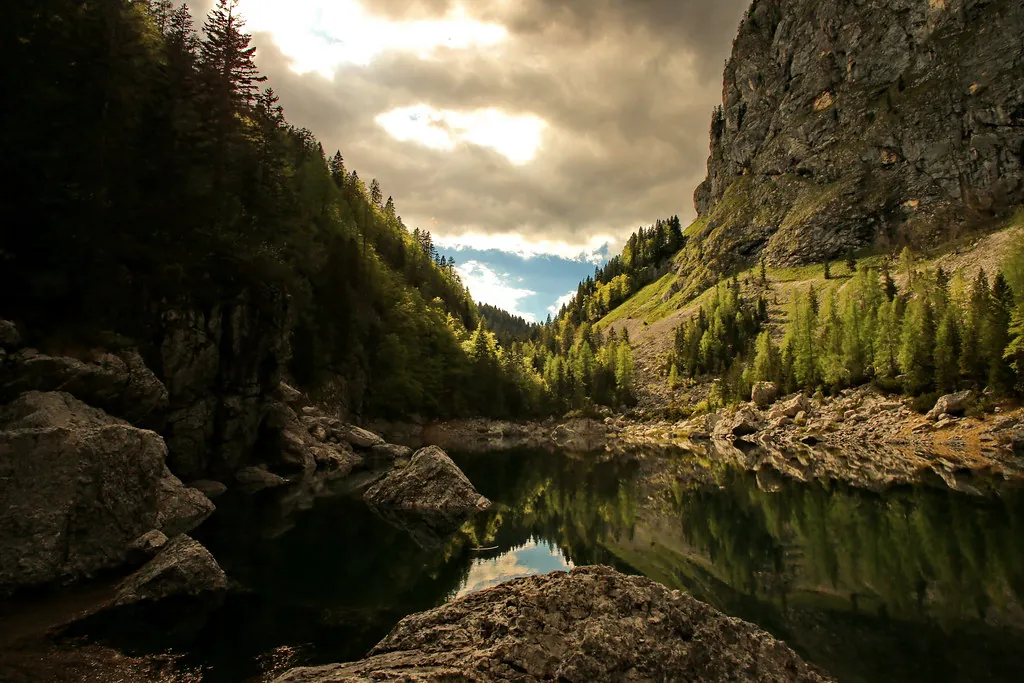
Many visitors wonder if they can swim in Lake Bohinj and what safety precautions apply. Swimming is permitted in designated shore zones, but respect for deep glacial water is crucial: unpredictable thermal drop-offs, cold mountain runoff, and sudden wind shifts off the peaks present genuine drowning hazards for tired swimmers or paddleboarders venturing out without a proper buoyancy aid. For pets, rules are strictly enforced—dogs are barred from swimming in high-altitude lakes and streams like Črno Jezero, where flea treatments and foreign bacteria threaten these pristine aquatic ecosystems.
Winter Conservation and Silence
Winter hiking demands extreme discipline. The weather here changes its mind like a stubborn local elder refusing to leave a warm pub. When the snow falls, survival margins for animals shrink drastically. You must stay on marked trails and avoid teh forest edges where animals shelter from the wind. Fleeing through deep snow drains the fat reserves of animals like the chamois, often leading to exhaustion and death. Keep noise to an absolute minimum.
Emergency Protocols
If things go wrong, the national emergency and mountain rescue number in Slovenia is 112. The Mountain Rescue Association of Slovenia coordinates many of the rescue efforts alongside professional airborne teams. For general inquiries about trail conditions or wildlife activity prior to your hike, you can contact the park authority directly at [email protected].
A Grounded Approach to Coexistence
The Julian Alps demand respect. We are passing through a landscape that does not need us. Keep your distance from the wildlife, keep your dog on a lead, and watch where you place your boots. The mountains are far more enjoyable when you accept the rules of the terrain rather than fighting them. Start your journey at the main Lake Bohinj guide to orient yourself before heading up into the crags.