Local Flavors: What to Eat in the Julian Alps
The Culinary Soul of the Julian Alps
The weather in the Julian Alps behaves much like a stubborn local elder. It is predictably unpredictable, prone to sudden dark moods, and quick to freeze you out if you lack proper preparation. Travellers often wonder if Bohinj is colder than Bled. The answer is an emphatic yes. The steep walls of the Bohinj basin trap cold mountain air, creating a microclimate that is noticeably chillier than the terrain just twenty minutes down the road. This climatic reality dictates the entire culinary ethos of the region. We are not discussing delicate foams, micro-herbs, or imported avocados here. Surviving teh harsh winters and navigating the vertical topography required a completely different approach to eating.
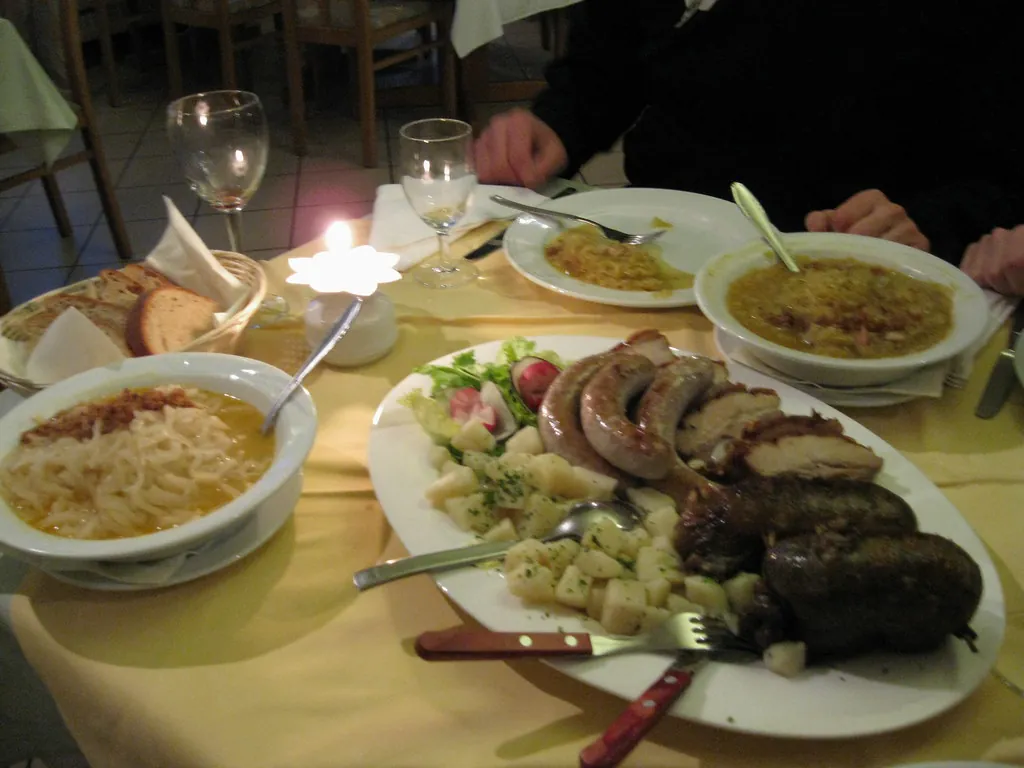
Food in Triglav National Park evolved from pure necessity. It relies heavily on preservation, high-altitude foraging, and intense caloric density. The dishes you will encounter around the lake are grounded in a slow-food tradition that existed long before the term became a marketing slogan. It is brown, heavy, and unapologetically rustic, designed to sustain shepherds working fourteen-hour days on the high pastures.
The Dairy Heritage of the High Pastures
Every summer, local farmers drive their herds of native Cika cattle up to the alpine meadows. The cows graze on a specific mix of wild mountain flora, which imparts a distinct, grassy sharpness to their milk. This seasonal migration is the backbone of the valley’s dairy production. To protect this heritage, local authorities created the “Bohinjsko/From Bohinj” certificate. Finding the best restaurants lake bohinj has to offer usually comes down to spotting this small quality mark on the door, ensuring the kitchen uses genuine, valley-sourced ingredients.
The most infamous product of this dairy tradition is Mohant cheese. My dog, Baraba, an exceedingly food-motivated shepherd mix, loses his absolute mind when I open a jar of it. Mohant is a semi-soft, spreadable cheese with a Protected Designation of Origin, officially recognised by the Slovenian Ministry of Agriculture. It is fermented in specialized containers called deže, creating an oxygen-free environment that results in a highly pungent aroma and a spicy, slightly bitter taste. You do not eat Mohant casually. Locals spread it sparsely over hot boiled potatoes to melt the fat and mellow the smell.
If Mohant sounds too aggressive, the alternative is Bohinjski Sir. This is the everyday alpine classic. It is a semi-hard cow’s milk cheese with a much milder flavour profile, identifiable by its large, irregular holes. You will find it on every breakfast table and inside every hiker’s rucksack in the valley.
| Cheese Type | Texture | Flavour Profile | Traditional Pairing |
|---|---|---|---|
| Mohant (PDO) | Semi-soft, spreadable | Highly pungent, spicy, tangy | Hot boiled potatoes, strong spirits |
| Bohinjski Sir | Semi-hard, porous | Mild, nutty, slightly sweet | Dark rye bread, cured local meats |
Fresh from the Alpine Waters
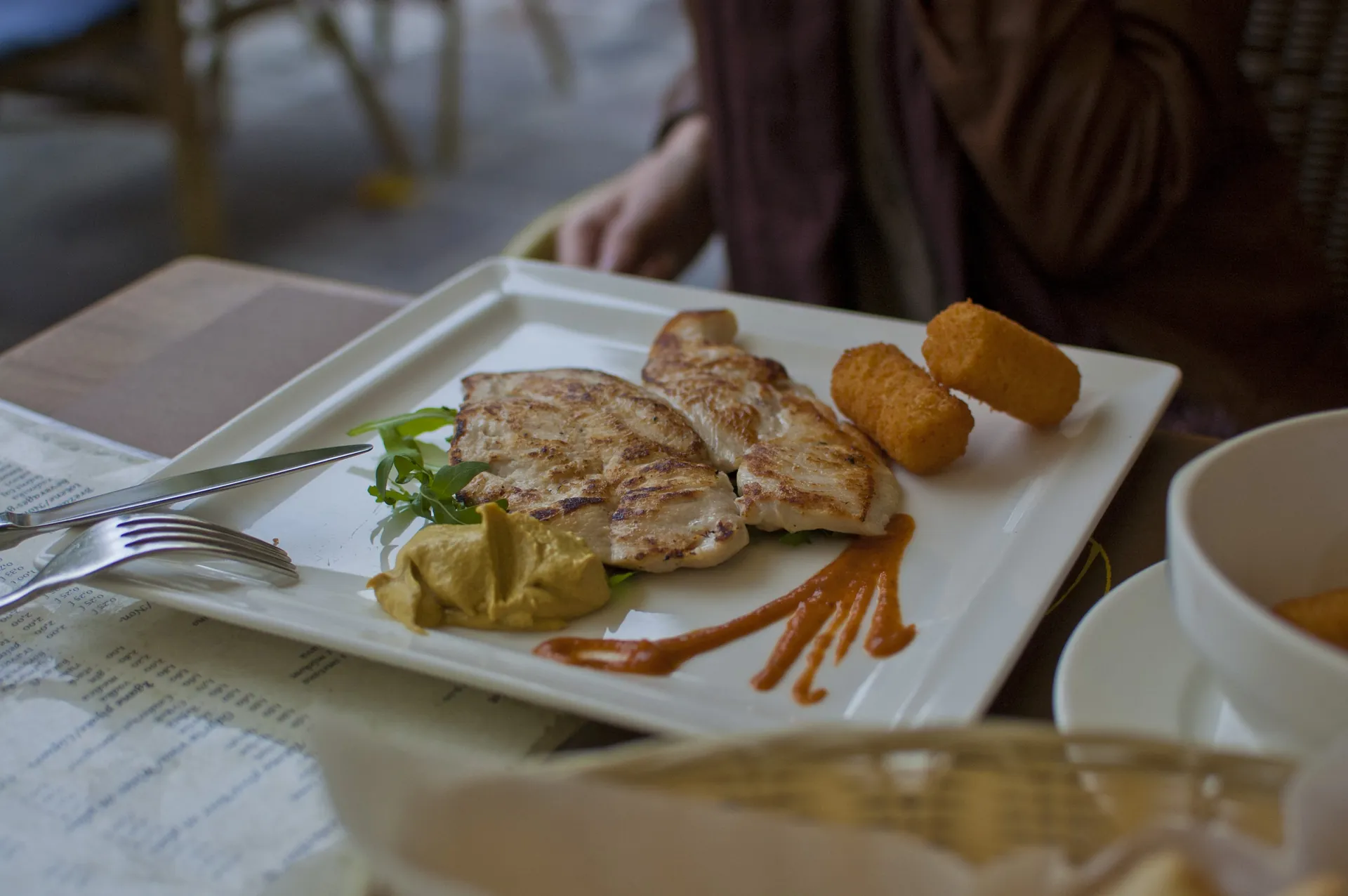
The water in Lake Bohinj is glacial. It is highly oxygenated, crystal clear, and freezing cold year-round. These exact conditions make it an exceptional habitat for freshwater fish, specifically the Brown Trout (Bohinjska postrv) and the Arctic Char, known locally as Zlatovčica.
For generations, the standard preparation involved rolling the whole fish in coarse cornmeal and frying it in butter until the skin formed a thick, golden crust. You can still eat it this way at Restaurant Zlatovčica, sitting directly on the shoreline. However, modern kitchens are treating the local catch with a lighter touch. At Restavracija Majerca in Stara Fužina, they prepare the char cold-smoked or chopped into a delicate tartare topped with trout roe.
If you are planning how to spend your days in the region, booking a comprehensive Lake Bled and Bohinj excursion is an efficient way to handle the logistics. After a long morning of guided travel, sitting down to a plate of fresh char pulled from the water mere hours before is an entirely different experience than eating imported salmon.
Mountain Comfort: Hearty Stews and Shepherds’ Sustenance
The Essential Stews
When the autumn rains arrive, village kitchens pivot to heavy, slow-cooked pots. Jota is a thick, acidic stew made with sour turnip or sauerkraut, beans, potatoes, and thick cuts of smoked pork. Its close cousin is Ričet, a dense barley porridge cooked with similar smoked meats. After you drag yourself up the steep, punishing ascent to the Savica Waterfall—a route detailed in our hiking trails guide—a steaming bowl of Jota is the exact sort of meal you want to wake up to.
The Labourer’s Diet
Shepherds needed cheap, transportable calories. They relied on Žganci, a dense buckwheat spoonbread heavily topped with pork cracklings and eaten with sour milk. Even heavier is Frika, a frying-pan creation of grated potatoes bound together with generous handfuls of melted alpine cheese. It is effectively a potato-cheese pancake designed to keep a person warm while standing in a freezing field.
“You do not eat Frika and then go for a light afternoon jog. You eat Frika, and then you chop half a cord of wood to burn it off.”
Sweet Endings at Altitude
If you want to experience proper traditional slovenian food, you must eat dessert at 1,500 metres above sea level. The mountain huts, known as kočas and managed by the Alpine Association of Slovenia, are famous for their baked goods. Dom na Komni and the Merjasec Alpine Hut consistently turn out exceptional variations of alpine sweets.
The undisputed king of the mountain menu is Štruklji. These are boiled or baked rolls of dough filled with sweet cottage cheese, walnuts, or tarragon. Following closely behind is the classic apple or foraged-berry strudel. The berries are gathered directly from the surrounding slopes during the late summer months.
This foraging habit brings up a common safety question: are there bears in Bohinj? Yes, the Julian Alps have a healthy brown bear population. They are entirely indifferent to humans but highly interested in the sweet, sticky wrappers you might leave behind after eating a slice of strudel on the trail. Pack your rubbish out. You can review our full wildlife safety guide before heading into the deep woods.
A Slower Way to Eat
Dining around Lake Bohinj is an exercise in patience. Whether you are eating a sophisticated tartare at Restaurant Sunrose 7 or tearing into a plate of rustic pork cracklings at Gostilna Pri Hrvatu, the underlying philosophy remains identical. The ingredients come from the immediate geography. The recipes are dictated by the harsh climate. I strongly reccomend adopting the local pace. Sit down, order a bowl of barley stew, ask for an extra slice of dark bread, and wait for the mountain weather to decide what it wants to do next.