From Coast to Peaks: Slovenia’s Most Beautiful Towns
The Magic of Slovenia’s Contrasts
You can smell the salt of the Adriatic over breakfast and brush snow off your boots by late afternoon. Slovenia is geographically compact. A proper slovenia road trip lets you swim in Mediterranean waters and hike deep in the Julian Alps on the exact same day. The weather shifts quickly, carrying the mood of a stubborn local elder: placid one minute, hurling thunderbolts the next. You learn to carry a heavy raincoat even when the morning sky is entirely clear.The Slovenian Riviera: 47 Kilometres of Charm
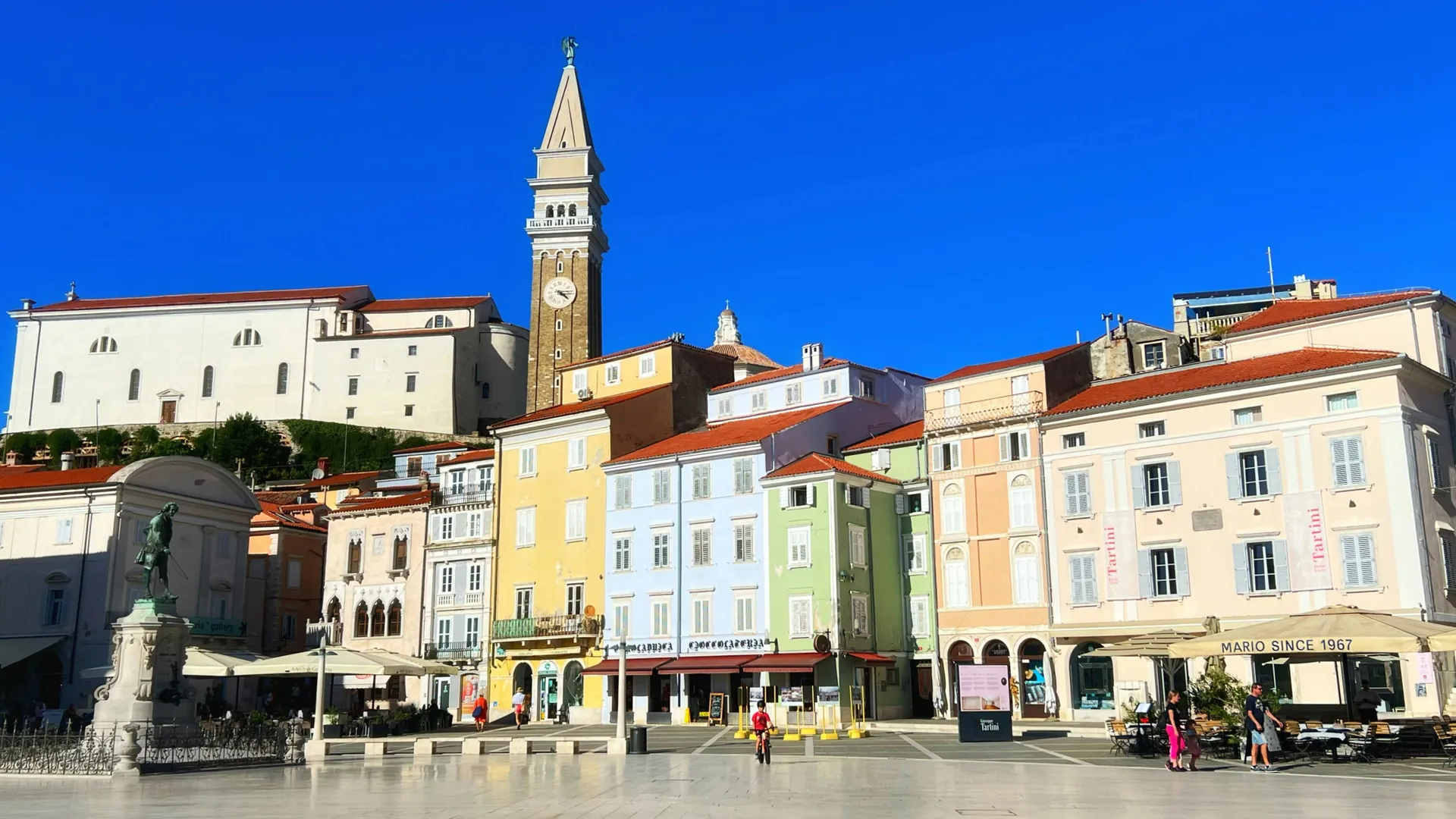
The national coastline is extremely short. It measures just 47 kilometres. This small strip of land carries a heavy Venetian influence, visible in the regional architecture and the local dialects. People often argue over what is the nicest coastal town in Slovenia. The answer usually comes down to whether you prefer polished aesthetics or a quieter, working-harbour atmosphere.Piran: The Venetian Jewel of the Adriatic
Izola: A Slower Pace and Maritime Heritage
Izola is quieter. It was once an island, eventually connected to the mainland by a stone bridge. Svetilnik Beach is the local spot for a morning swim. The Church of St. Maurus has a tall bell tower with 99 steps, offering a different vantage point over the red roofs. Seafood here is exceptional. Restavracija Hotela Marina holds a Michelin recommendation, focusing entirely on whatever the morning catch brought in.The Journey Inland: Logistics from Coast to Peaks
Driving from Piran to the Bohinj basin takes roughly two and a half hours. The distance is about 170 kilometres via the A1 and A2 motorways. The transition from coastal scrub to dense alpine forest is abrupt. A mandatory detour is the Škocjan Caves Regional Park. This UNESCO-listed underground canyon is massive and damp. If you are navigating the roads without a rental car, you should review the transport schedules and bus connections before leaving the coast.Radovljica: A Sweet Medieval Detour
Radovljica is a medieval moat town just off the highway. It is known primarily for its beekeeping heritage and chocolate production. The old town square is remarkably preserved. A quick walk through the center breaks up the drive perfectly before you hit the heavier traffic approaching the mountains.Lake Bled: The Postcard-Perfect Alpine Gateway
Lake Bohinj: The Wild Heart of Triglav National Park
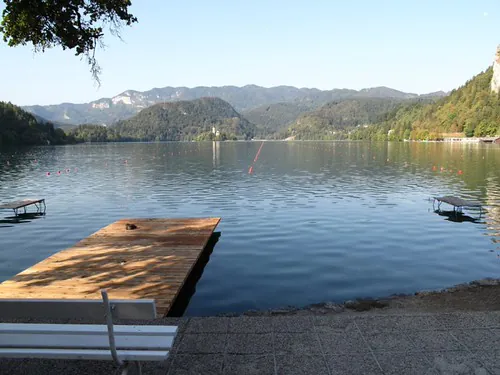
Bohinj is Slovenia’s largest natural lake. Is Lake Bohinj worth it? Absolutely, if you prefer unmanicured wilderness. The water is pristine and cold. Visitors frequently wonder if Bohinj is colder than Bled. It is. The lake sits higher in a steep valley, catching less direct sunlight and holding onto the winter chill far longer. The Triglav National Park Authority strictly regulates development here, keeping the shoreline free of massive hotels. For a complete overview of the area, you can read our ultimate guide to Bohinj. You can also review our weather and seasonal comparison to time your trip right.My dog, Baraba, refuses to swim anywhere else. He appreciates the cold water and the complete lack of noise.
Authentic Alpine Villages: Stara Fužina and Ukanc
The settlements around the lake are small and functional. Stara Fužina and Ukanc are working farming communities with a deep history of alpine dairy production. You can buy sharp local cheese directly from the farmers. People often ask if there are bears in Bohinj. The surrounding forests do hold a healthy brown bear population, though they actively avoid human trails. You can familiarise yourself with local wildlife safety protocols before heading into the deep woods. Finding good accomodation in these villages requires booking months ahead during the summer.Kranjska Gora and Zelenci Springs
Pushing further north brings you to Kranjska Gora. This mountain town feels entirely different from the Bohinj basin. The nearby Zelenci Springs are a surreal sight. The water bubbles up from the chalky ground in a bright emerald hue, remaining cold and clear year-round. It is a quiet stop that requires very little walking to reach.Crossing the Vršič Pass
The Vršič Pass is a steep, winding road built by Russian prisoners of war during the First World War. It connects the upper Sava valley to the Soča valley. The drive requires constant attention to the hairpin turns. The views from the top are stark and rocky. This is the starting point for some of the most demanding routes in the Julian Alps. If you want to know what is the most scenic hike in Slovenia, the trails originating from this saddle are strong contenders. We detail many of these paths in our trail overview.Bovec and The Soča Valley: The Adrenaline Capital
Kobarid: Alpine History and Gastronomy
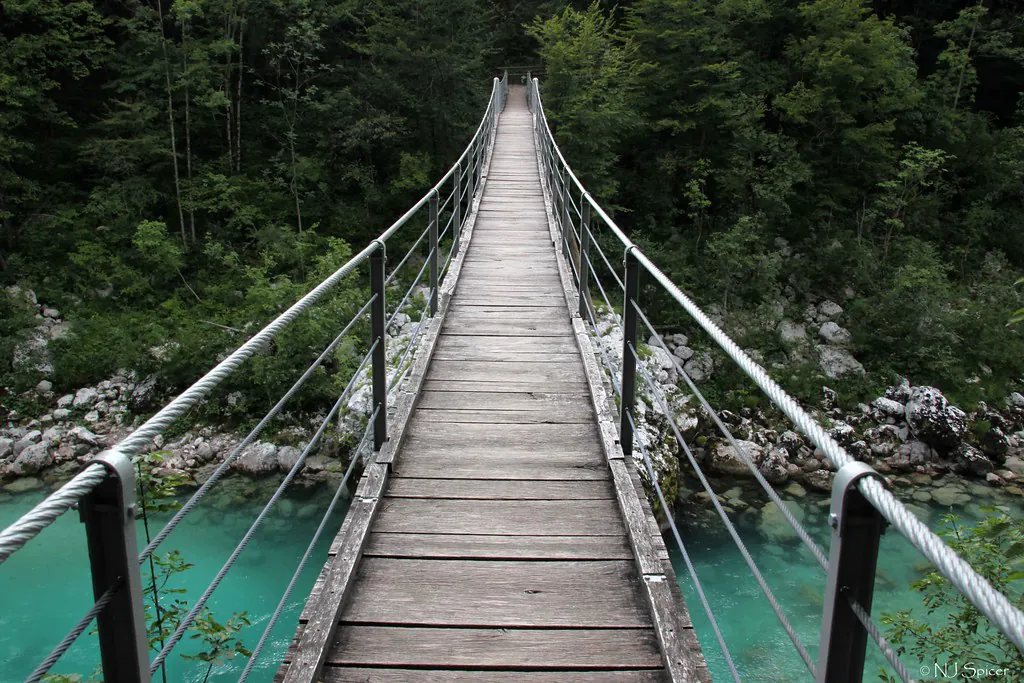
Kobarid is known for two entirely unrelated things: brutal mountain warfare and high-end dining. The Kobarid Museum documents the devastating Isonzo Front of WWI with sobering detail. On the culinary side, the town attracts food lovers from across Europe. The local chefs forage in the surrounding forests and utilize the river trout, elevating mountain staples into serious gastronomy.Crafting the Perfect Coast-to-Peaks Itinerary
You need seven to ten days to properly absorb these shifting landscapes. Rushing from the coast to the mountains in a weekend leaves you exhausted. Travellers often ask if Slovenia is very expensive. The coastal towns and Lake Bled carry premium prices. The remote valleys in the northwest offer much better value for your money.
Timing is everything. People want to know what is the rainiest month in Slovenia. October and November see heavy rainfall, turning the alpine trails to thick mud. Late spring or early September provide stable conditions and empty roads. The Julian Alps have a way of demanding your full attention, providing a place you can really disappear into.