Budgeting for your Slovenian Adventure
The Financial Reality of the Julian Alps
You will inevitably ask yourself: is slovenia very expensive? The country has firmly shed its old reputation as a discount destination, leaning instead into sustainable, high-quality mountain tourism. Visitors today pay Western European prices for their time in the Julian Alps. The value returned is exceptional, provided you manage your expectations. The Alpine weather has the temperament of a stubborn local elder refusing to wear a coat in December. You might experience brilliant sunshine and a sudden downpour within the same afternoon, meaning your slovenia travel budget requires the same flexibility as your packing list.The Great Divide: Lake Bohinj and Lake Bled
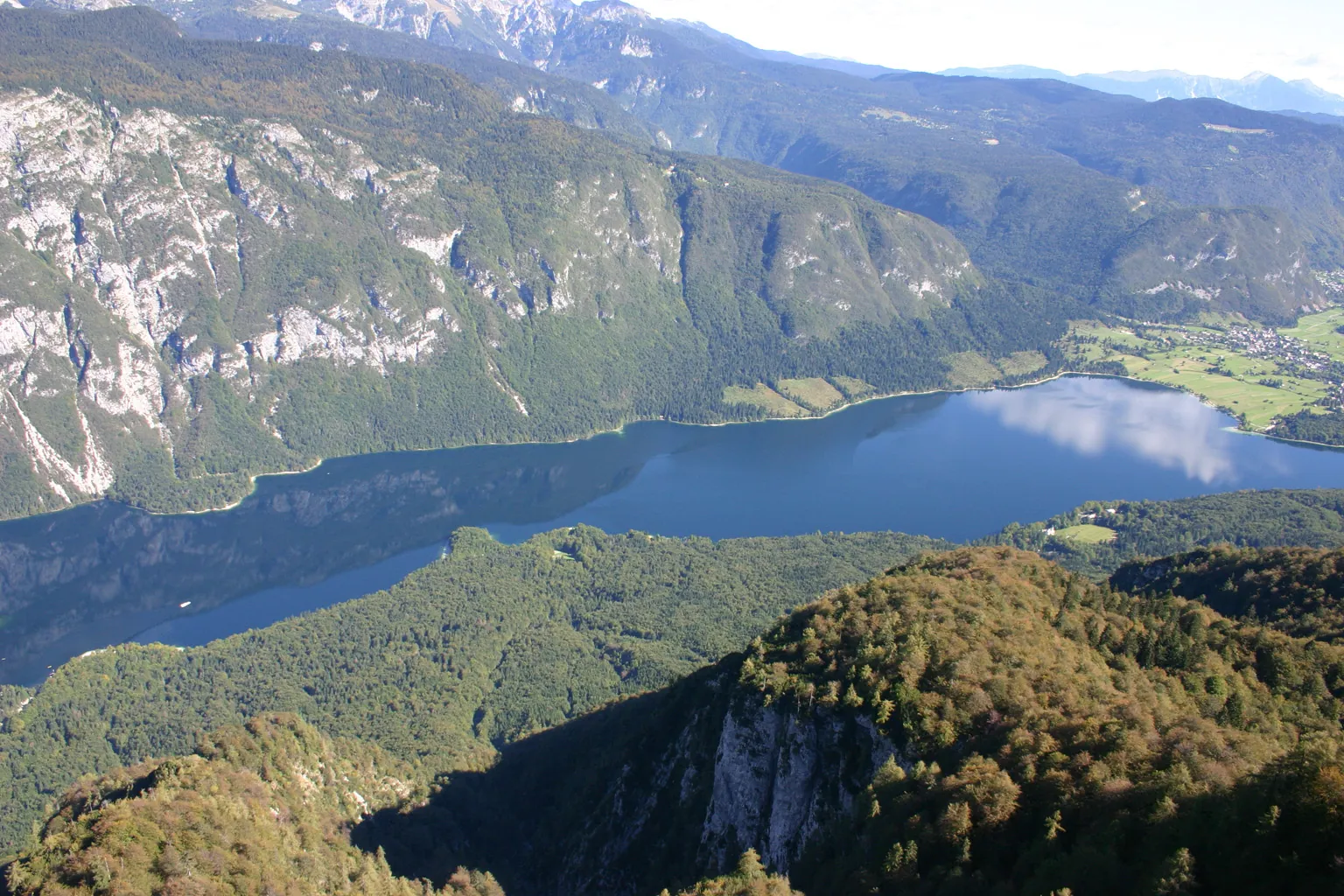
Travellers constantly debate what is better, Lake Bled or Lake Bohinj. Bled is a highly polished resort town, extracting a premium for its photogenic accessibility. You will pay higher rates for lakeside coffee, parking, and boutique hotels there. Lake Bohinj is the wilder alternative. The prices here are slightly lower, though teh real savings come from the sheer lack of commercial temptation. There are fewer souvenir shops and expensive cocktail bars to drain your wallet. People ask if Lake Bohinj is worth it, and the answer lies in your preference for quiet trails over paved promenades. My dog Baraba certainly favours the mud here over immaculate concrete paths. You should also note that Bohinj is colder than Bled due to its deep glacial basin and surrounding peaks, which keeps the massive summer crowds at bay.Slow travel is the ultimate currency. Spending a week in one valley costs less and yields far more than rushing aggressively across the country.
Transport Logistics and Hidden Fees
Getting into the mountains is a straightforward affair. The bus from Ljubljana to Lake Bohinj takes about two hours, and you will pay around €8 to €10 for a one-way ticket. Nomago and Arriva are the primary operators servicing this route, often running weekend discounts. If you prefer structured excursions over local transit schedules, you can easily book a guided tour encompassing Lake Bled, Bohinj, and Savica waterfall directly from the capital. We cover these public transit timetables extensively in our transport guide. Driving introduces a different set of expenses. The Triglav National Park authority strictly regulates vehicle access to protect the environment. Finding an affordable parking space is something you will struggle with. Parking fines are steep, so reviewing the local visitor guidelines before leaving your rental car on a grass verge is highly recommended.Sleeping Arrangements in the Valley
Your choice of bed dictates the bulk of your spending. Campsites in Ukanc offer the cheapest entry point to the lake, though summer pitches fill up months in advance. Mid-range private apartments in Stara Fužina provide a reliable balance of cost and comfort. You can review the village layouts in our where to stay guide.
If your budget allows for luxury, the region has superb alpine lodging. Hotel Bohinj is a prime example of modern eco-design integrating with the landscape. It commands a premium price, but the standard of accomodation justifies the expense.
Sustenance at Altitude and in the Valley
Eating in Slovenia bridges rustic mountain fare and refined culinary ambition. Up on the trails, mountain huts (koča) like the Viharnik hut at Mount Vogel serve heavy, restorative meals. A hearty bowl of local stew or a plate of čevapčići costs roughly €10 to €15. These portions are designed to fuel hikers for the descent.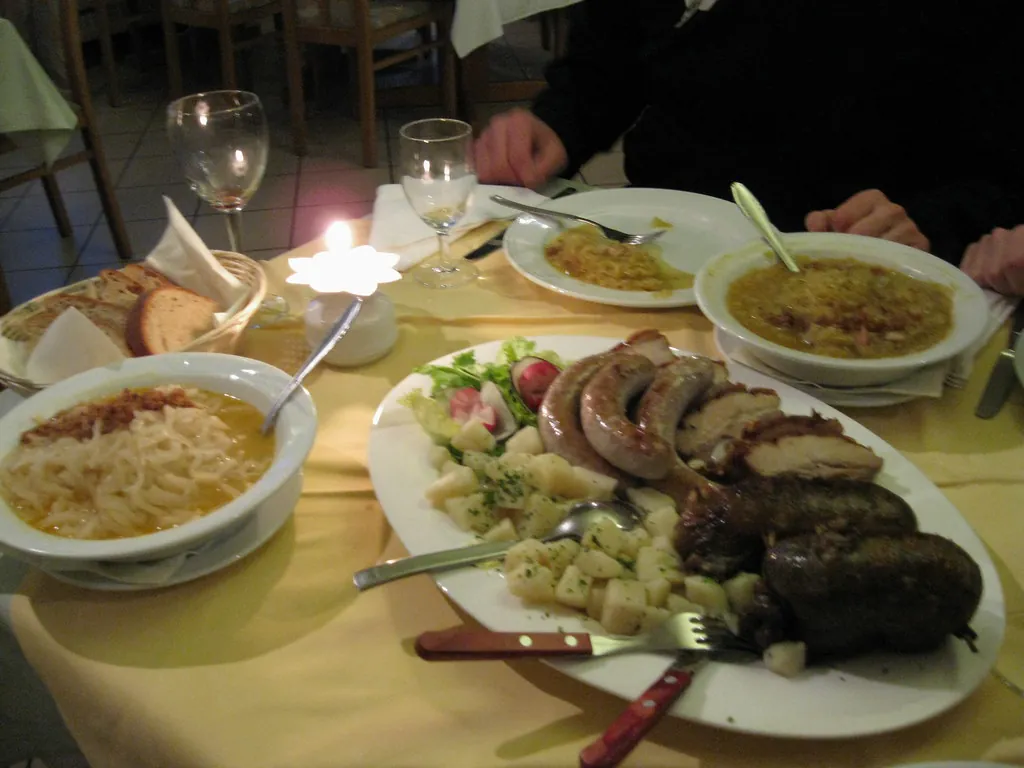
Calculating the Cost of Adventure
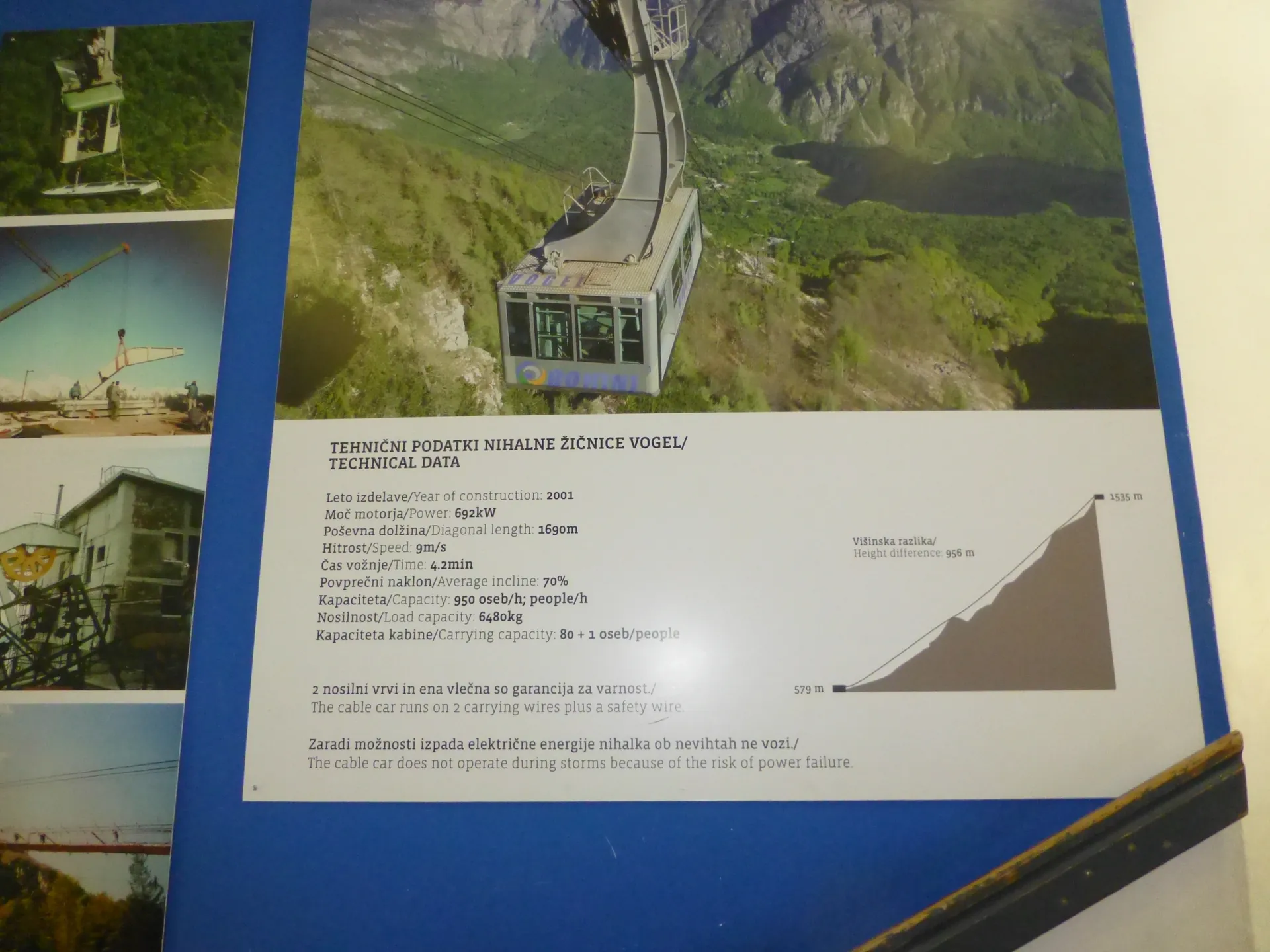
Nature is free, but accessing specific viewpoints is not. Walking the trails around the lake costs nothing. Taking the cable car up to Vogel or entering the Savica Waterfall enclosure requires a ticket. For visitors eager to experience the rapids, booking a whitewater rafting excursion on the Soča River is a popular add-on that demands a portion of your activity fund. You can browse further outdoor experiences to gauge equipment rental rates. The Julian Alps / Bohinj Guest Card is the most rational purchase for anyone staying more than two nights. It grants free local shuttle transport, discounted museum entries, and reduced parking fees. It pays for itself almost immediately if you use the local buses to navigate between trailheads.