The Untamed Heart of the Julian Alps
I have spent countless mornings lacing up my boots by the shores of Lake Bohinj. It is a quiet place, completely devoid of the commercial polish found down the road in Bled. If you ask me whether Lake Bohinj is worth it, I will point directly to the limestone walls rising out of the water. The hiking here demands effort, and the isolation is your reward. My dog, Baraba, knows these paths well. We follow the Knafelc waymarks, which are white circles surrounded by a red ring. The Alpine Association of Slovenia maintains these trail markers across the country, and they are your primary guide through the unpredictable alpine terrain. Weather in the Julian Alps changes its mood like a stubborn local elder. A clear morning easily turns into a heavy afternoon downpour. Bohinj is also generally colder than Bled. The steep valley walls block the sun early in the afternoon, trapping the cool mountain air over the water. You need proper hiking boots, a reliable rain jacket, and an understanding of your own physical limits before heading up the steep ascents.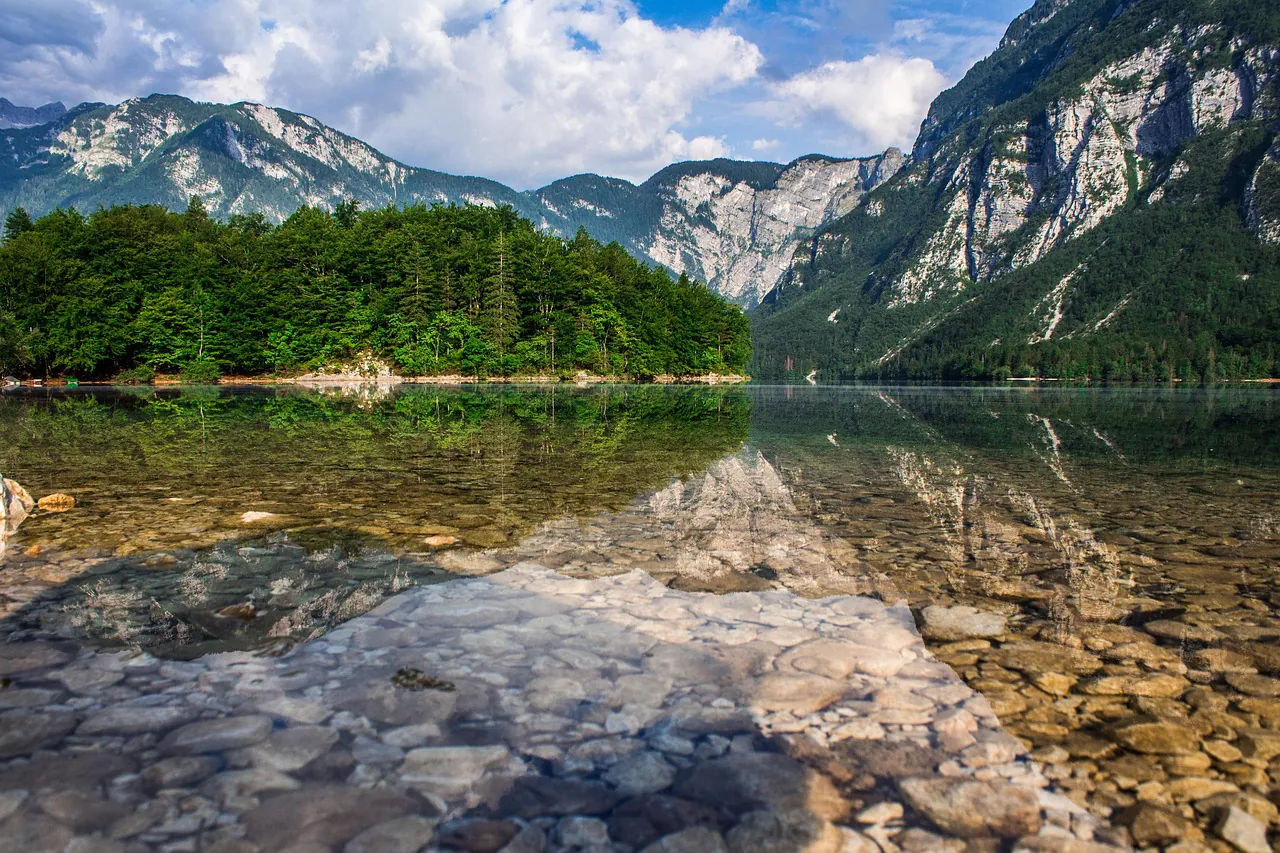
The Scenic Stroll: The Lake Bohinj Circuit
The bohinj lake trail is the logical starting point for any visitor. People often ask how long it takes to walk around Lake Bohinj. The full circuit is roughly 12 kilometres long. You need about three to four hours to complete it at a moderate pace, assuming you do not stop to swim every twenty minutes. The terrain is largely flat. The total elevation gain over the entire loop is minimal, keeping you close to the water level at 526 metres. The north shore is entirely free of cars and offers a quiet walking path. You walk through dense beech forests on this side, listening to the water lap against the rocky beaches. The south shore runs parallel to the main road, though the walking path remains separated from the traffic. You can start the loop in either Ribčev Laz on the eastern edge or Ukanc on the western edge. If you want to plan your day around the local weather patterns, check our weather and comparison guide before setting off.The Classic Climb: Savica Waterfall
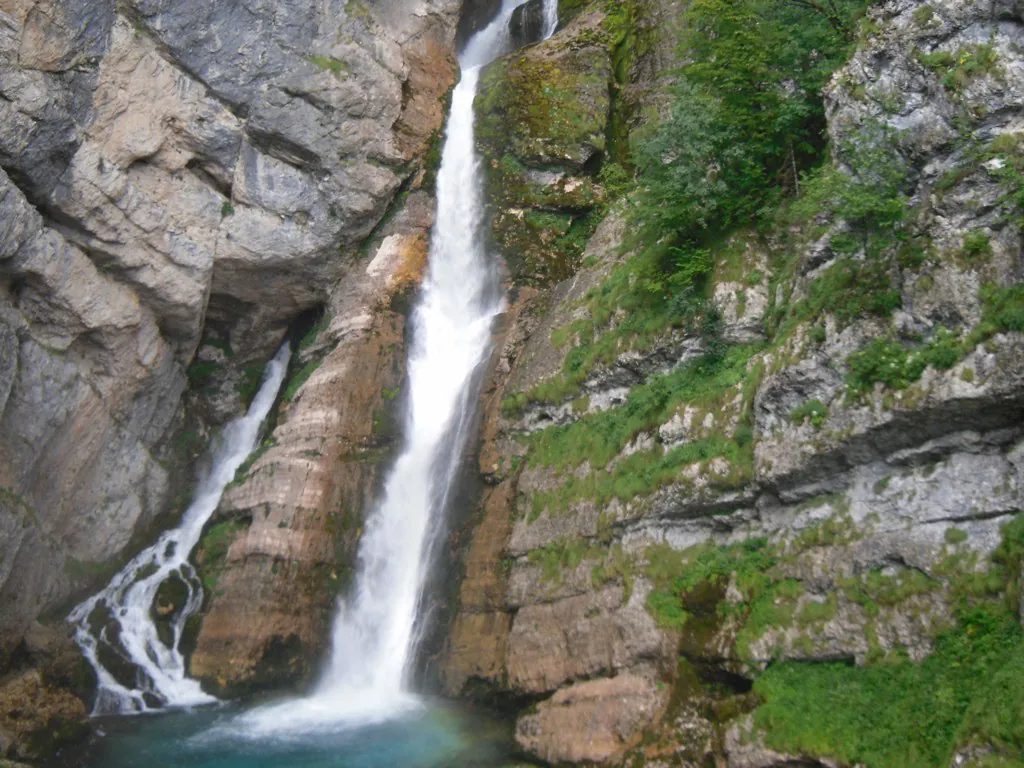
The lake bohinj savica waterfall path is a short, steep, and heavily trafficked route. You start your ascent near the Koča pri Savici mountain hut, which sits near parking lot P9 in Ukanc. The trail consists of roughly 550 stone steps. It is steep, but the path is well-maintained and completely safe for average walkers. You cannot bring a stroller or a wheelchair up these stairs.
The climb takes about twenty minutes. At the top, you face a 78-metre cascade dropping into a turquoise pool. The water falls in a distinct A-shape, forced apart by a fault line in the rock. This waterfall is the primary source of the Sava Bohinjska river. The local authorities charge an entrance fee of around €4 per adult during the summer months. Dogs enter for free, provided they are on a leash.
The Fairy-Tale Forest: Mostnica Gorge and Voje Valley
You head north from the village of Stara Fužina to find Mostnica Gorge. The water here is a deep emerald green, carving narrow channels through the limestone bedrock. The path takes you past strange rock formations, including a hollowed-out boulder known locally as the Elephant Rock. During the summer, you have to pay a small toll fee to access the gorge path. The money funds the maintenance of the wooden bridges and safety railings, which is exactly the sort of place you want to wander around in. If you have the stamina, you can extend the hike past the gorge and walk all the way through the Voje Valley. The valley floor opens up into wide pastures, ending eventually at the Voje Waterfall.The Ultimate Panorama: Vogar Viewpoint
If you are looking for the most scenic hike in Slovenia, the steep climb to the vogar viewpoint – lake bohinj is a strong contender. The trail begins in Stara Fužina. You gain roughly 500 metres of elevation on a rocky forest path that zig-zags up the side of the mountain. The ascent is tough on the calves and requires a moderate level of fitness. The viewpoint sits at 1,054 metres above sea level. Paragliders frequently use this open grassy ridge as a launch site. From the edge, you get a completely unobstructed, rewarding view of teh Bohinj basin below. The water looks like a dark pane of glass from this height. The round trip takes two to three hours, depending on how long you sit at the top.Do not attempt the Vogar descent in the dark without a proper headlamp. The tree cover is dense, and the roots become completely invisible once the sun dips behind the ridge.
High-Altitude Exploring: Mount Vogel Trails
You can skip the exhausting climb through the dense tree line by taking the Mount Vogel cable car from Ukanc. The gondola drops you at 1,535 metres. From the upper station, you have immediate access to a vast network of high-altitude paths. During the summer, the chairlift to Orlova Glava operates free of charge for cable car ticket holders, pushing you even higher into the alpine zone.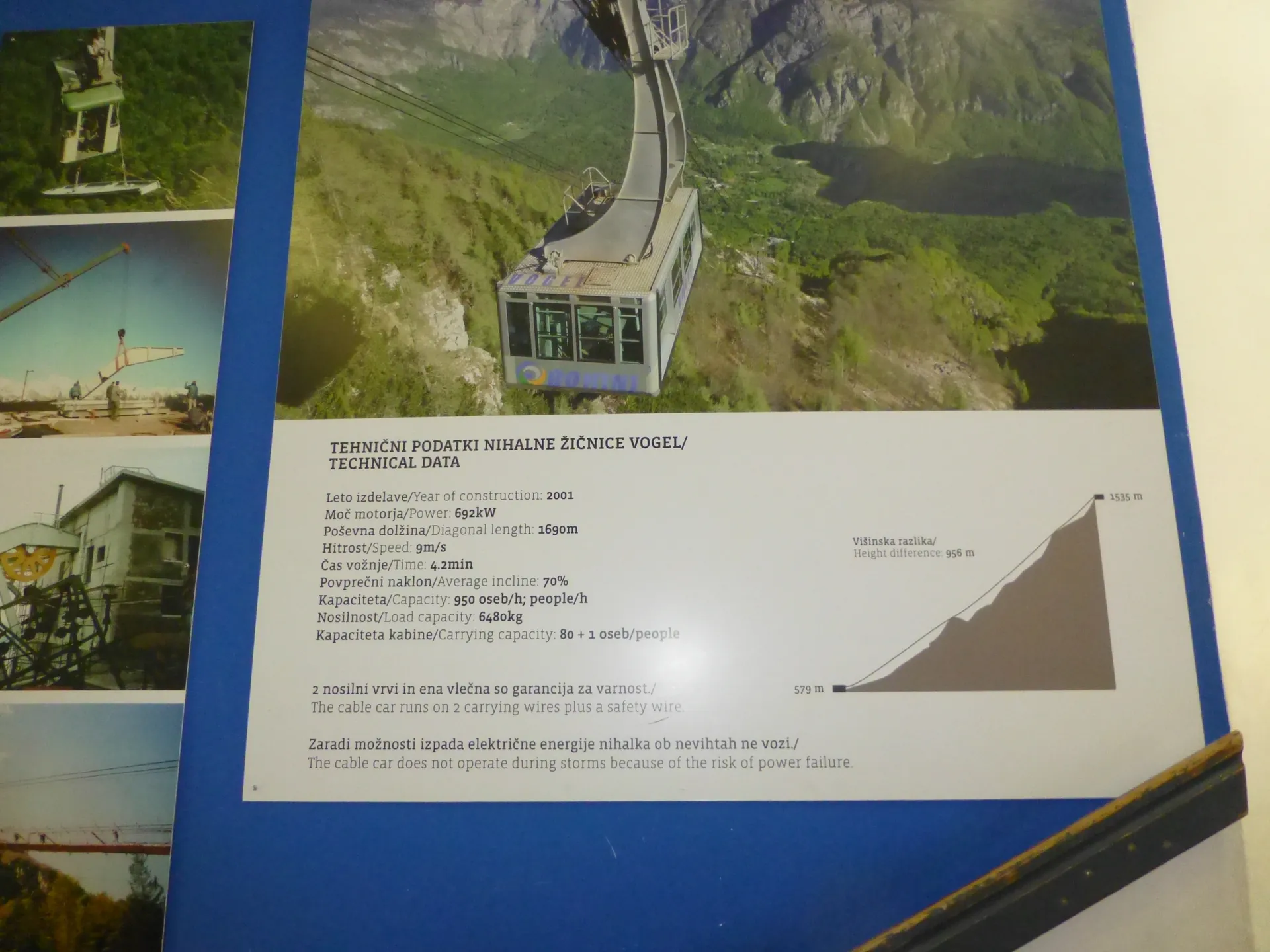
Gateway to the High Peaks: The Seven Lakes Valley
Bohinj is the primary staging ground for the best hikes around lake bohinj and deeper expeditions into Triglav National Park. The trail to the famous Seven Lakes Valley usually begins at the Planina Blato mountain pasture above Stara Fužina. Alternatively, highly experienced hikers tackle the Komarča wall, a near-vertical ascent starting near the Savica Waterfall. You must understand that the high peaks require serious preparation. The Triglav National Park Authority strictly enforces regulations regarding wild camping and environmental protection. There are no shortcuts up there, and the weather is unforgiving.Mountain Huts and Alpine Gastronomy
The mountain huts, known locally as koča, are an integral part of Slovenian hiking culture. Kosijev dom na Vogarju and Koča pri Savici offer shelter, cold beer, and hot meals. You sit on heavy wooden benches and eat traditional mountain food.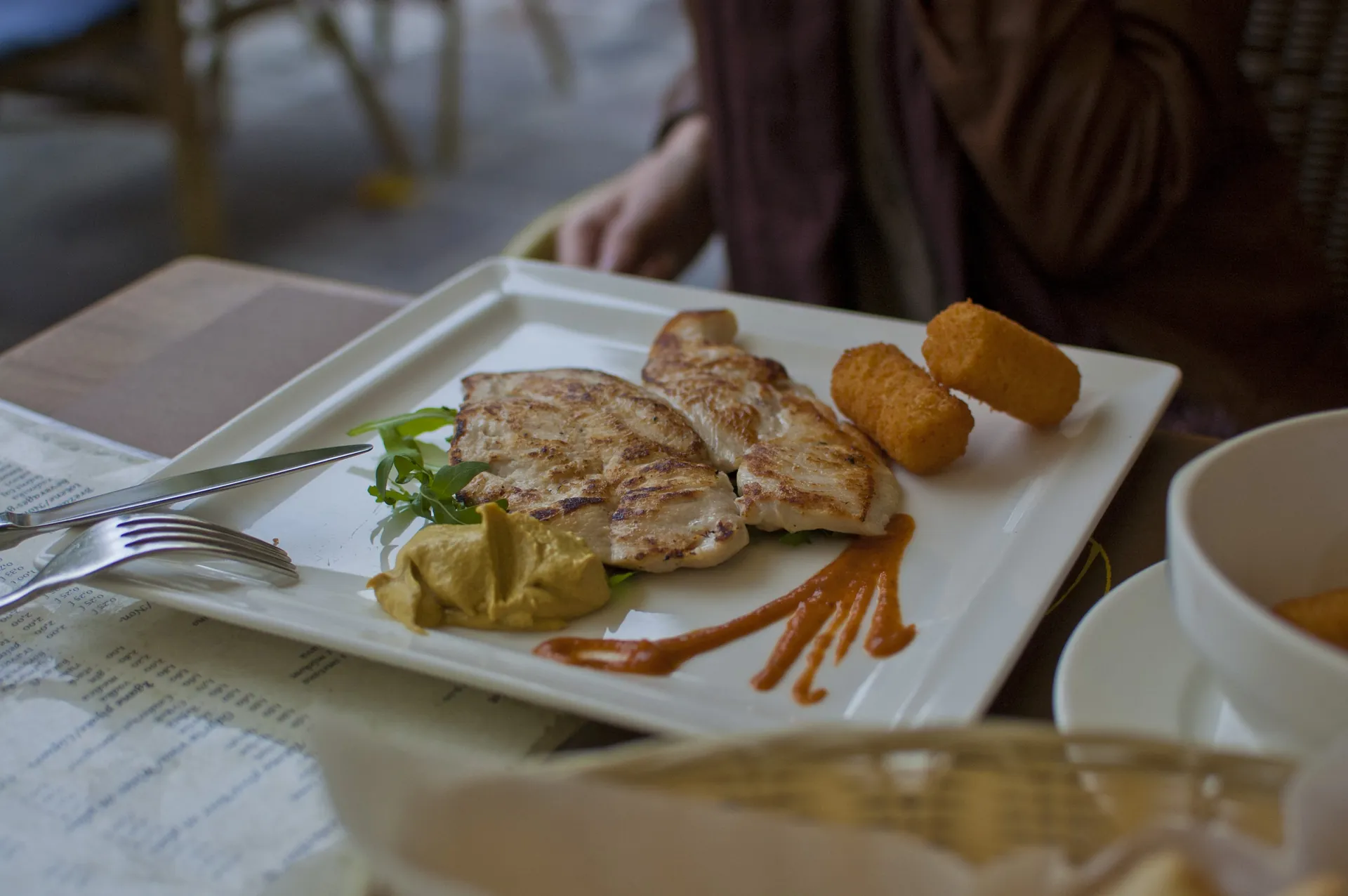
Trailhead Logistics and Safety
Finding a legal parking space is often the most stressful part of the day. The villages of Stara Fužina and Ukanc have strict parking regulations. You cannot leave your car on the grass or along the forest roads. Parking lots like P8 and P9 require payment, usually by card only. You can monitor road conditions and closures via the Traffic Information Centre for Slovenia. We strongly recommend using the free shuttle buses that run from the park-and-ride lots in Bohinjska Bistrica. You can find the full bus schedules on our transport logistics page.Leave no trace. The ecosystem in the Julian Alps is fragile, and taking your rubbish back down to the valley is a non-negotiable rule of the mountains.