The Age-Old Alpine Dilemma
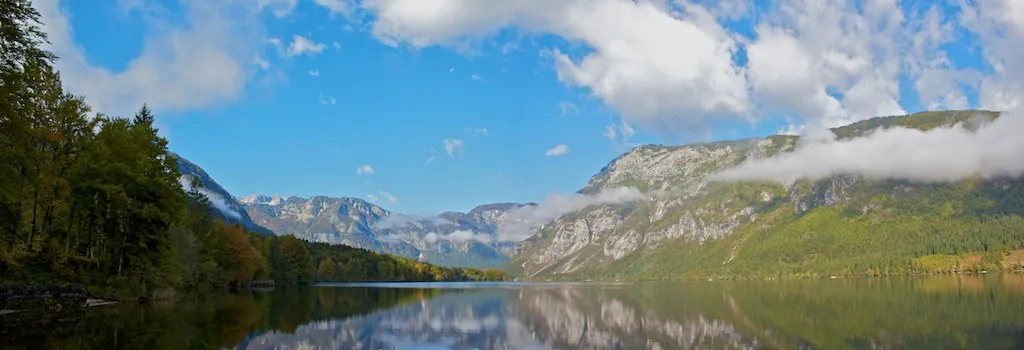
The question of whether to visit lake bohinj or lake bled dominates most itinerary planning sessions for the Julian Alps. Both bodies of water occupy the same glacial valley. They are merely 30 kilometres apart. Yet they appeal to entirely different sensibilities. Bled is the famous older sibling, manicured and exceptionally popular. It has a cliffside castle and an island church that pull millions of visitors each year. You will find yourself standing shoulder-to-shoulder with strangers along its paved promenades during the peak summer weeks. Bohinj is the wild counterpart. It is Slovenia’s largest permanent natural lake, stretching 4.2 kilometres long and dropping to depths of 45 metres. Because it sits entirely within the protected boundaries of Triglav National Park, commercial development is heavily restricted. The shoreline is a continuous ribbon of dense beech and spruce forest. My dog, Baraba, and I walk the gravel paths here almost daily in the off-season. We rarely encounter more than a handful of local fishermen or early-morning trail runners. If you want a comprehensive introduction to this basin, our Lake Bohinj Slovenia guide is a good starting point.Lake Bled: The Resort Experience
Bled operates as a traditional European resort town. The infrastructure caters heavily to international tourism. You have immediate access to luxury hotels, diverse restaurant menus, and casinos. Accessibility is remarkably straightforward. Regular bus routes and train connections make it an easy day trip from the capital. The environment is highly curated, designed for those who prefer their alpine views paired with a comfortable cafe chair.Lake Bohinj: The Conservation Zone
Bohinj demands a different mindset. It marks the end of the road, walled in by the steep limestone faces of the Julian Alps. The Triglav National Park Authority enforces strict conservation laws here. You will not find massive hotel complexes blocking the water views. Instead, the area relies on traditional alpine guesthouses and local farm-to-table dining. It is exactly the sort of quiet, unbothered place you want to wake up in.The Stubborn Alpine Climate
Understanding lake bohinj weather requires a healthy dose of realism. The local climate behaves much like a stubborn village elder. It changes its mind frequently and refuses to be rushed. Because the valley is hemmed in by high peaks, it functions as a catch-basin for precipitation. According to the Slovenian Environment Agency (ARSO), Bohinj is consistently one of the wettest parts of the country. Annual precipitation averages 1,906 millimetres. You will definitly need a waterproof jacket in your pack regardless of the month you arrive. Spring arrives late in the mountains. May and June bring melting snows from the higher elevations, swelling the Savica River and filling the lake basin with freezing, crystal-clear water. The valley floor erupts in wildflowers, but the air retains a sharp bite. Summer is brief and intense. July and August push daytime highs into the late twenties (Celsius). The record high sits at a sweltering 35°C, recorded in August 2018. We often remind guests that teh Julian Alps generate their own microclimates. Clear blue morning skies can rapidly curdle into dramatic, violent afternoon thunderstorms. These storms pass quickly, leaving behind washed-clean air and spectacular evening light. Many locals argue that September is the best month to go to slovenia. The chaotic summer crowds disperse. The surrounding beech forests turn brilliant shades of copper and gold. The air is crisp, making it the premier season for tackling the local hiking trails. By December, winter locks the valley in a deep freeze. January daytime temperatures hover just above zero, frequently plummeting well below -5°C overnight. The lake itself rarely freezes solid anymore, but the surrounding snow-covered silence is profound.Seasonal Weather and Water Data
| Season | Air Temp (Day / Night) | Water Temp | Condition Notes |
|---|---|---|---|
| Spring (May – Jun) | 15°C – 22°C / 5°C – 10°C | 10°C – 16°C | Frequent rain showers. Water is strictly for cold exposure enthusiasts. |
| Summer (Jul – Aug) | 25°C – 30°C / 12°C – 15°C | 19°C – 24°C | High humidity. Sudden afternoon thunderstorms are common. Best for swimming. |
| Autumn (Sep – Oct) | 12°C – 18°C / 4°C – 8°C | 14°C – 18°C | Highest rainfall peaks in October. Exceptional autumn foliage. |
| Winter (Dec – Feb) | 0°C – 4°C / -7°C – -2°C | 4°C – 6°C | Consistent snow coverage. Icy roads. Highly atmospheric. |
Swimming in a Glacial Bowl
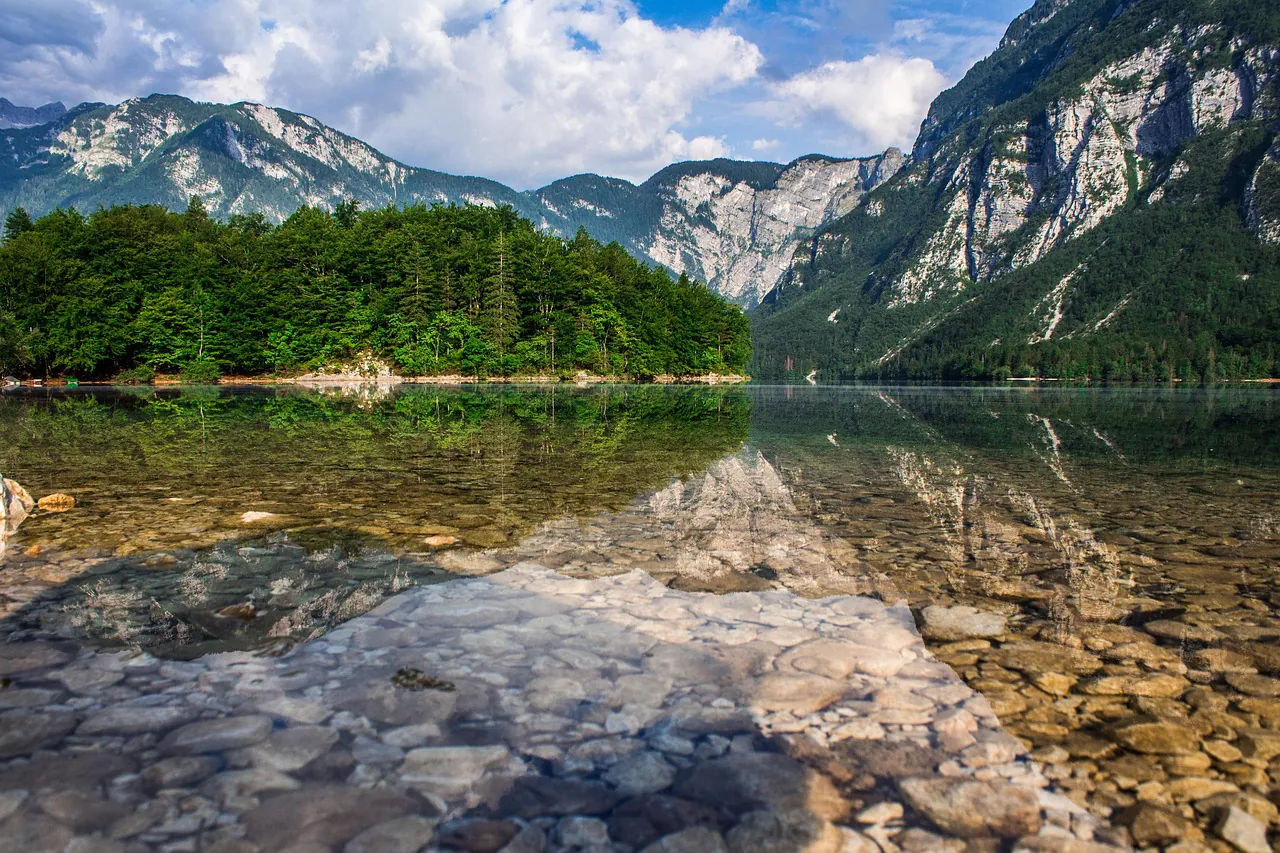
“Do not let a bright July morning fool you into leaving your rain gear at the hotel. In Bohinj, the mountains decide the weather, and they change their minds by lunch.”
Jakob Vogel
Common Traveler Dilemmas
What is better, Lake Bled or Lake Bohinj?
The answer depends entirely on your travel style. Lake Bled is superior for those seeking manicured luxury, easy transport connections, and high-end dining. Lake Bohinj is better for outdoor purists who prioritize quiet trails, raw nature, and a noticeable absence of commercial development.
Is Lake Bohinj worth it?
Yes, especially if you consider yourself a slow-travel advocate. It offers an authentic alpine experience that remains largely untouched by mass tourism. The sheer scale of the mountains plunging directly into the glacial water provides a visual impact that smaller lakes simply cannot match.
How long does it take to walk around Lake Bohinj?
The walking path circumnavigating the lake is a 12-kilometre circuit. A moderately fit walker will complete the loop in about three to four hours. The terrain is largely flat and well-maintained, though the northern shore path is rougher and requires sturdy footwear.
Is Bohinj colder than Bled?
Yes, Bohinj is generally a few degrees colder than Bled year-round. It is situated higher in altitude and is more deeply entrenched in the Julian Alps. The steep surrounding mountains also mean the Bohinj valley receives fewer hours of direct sunlight during the winter months.
Are there bears in Bohinj?
Slovenia has a healthy population of Eurasian brown bears, and they do inhabit the forests of Triglav National Park. However, they are naturally timid and actively avoid human contact. If you plan to hike the deeper trails, reading our bear safety guide is a sensible precaution.
What is the rainiest month in Slovenia?
October and November are typically the rainiest months in the Slovenian Alps. The autumn weather patterns draw heavy precipitation into the mountain basins. If you travel during this period, you must pack appropriate waterproof layers and have flexible daily plans.