Hotels, hostels & other stays map
Choosing Your Basecamp
Lake Bohinj is the wilder sibling of Lake Bled. The water is pristine, and the peaks overhead cut sharp lines against the sky. Navigating the options for lake bohinj accommodation depends entirely on the terrain you plan to explore. My dog, Baraba, and I have walked every dirt path in this glacial hollow over the years. The weather here shifts abruptly. It resembles the moods of a stubborn local elder, changing from bright sunshine to a heavy alpine downpour in minutes. You need a reliable basecamp.
Many people ask if Bohinj is colder than Bled. The short answer is yes. The Bohinj valley is a dead end boxed in by the high Julian Alps. The cold air sinks and settles over the water. Selecting the right place to stay requires understanding the layout of the four main settlements. Ribčev Laz, Stara Fužina, Ukanc, and Bohinjska Bistrica each have a distinctly different relationship with the water and the surrounding national park.
Ribčev Laz: The Main Hub
Ribčev Laz is the main entry point to the lake. You see the stone bridge and the Church of St John the Baptist immediately upon arrival. This village makes complete logistical sense for first-time visitors. Hotel Jezero sits right by the water. It is a classic establishment with heavy wooden balconies that match the traditional alpine aesthetic. Hotel Bohinj is located just up the road. It has a modern interior and an excellent dining room, placing it high on the list of the best hotels lake bohinj has available.
Staying in Ribčev Laz means the lake is right outside your door. The main bus stop, the tourist information centre, and the equipment rentals are all grouped together here. You can rent a kayak or a mountain bike within five minutes of leaving your room. Check our transport guide for exact bus schedules from the capital. The convenience is unmatched, though it does mean sharing the footpaths with day-trippers during the peak summer weeks.
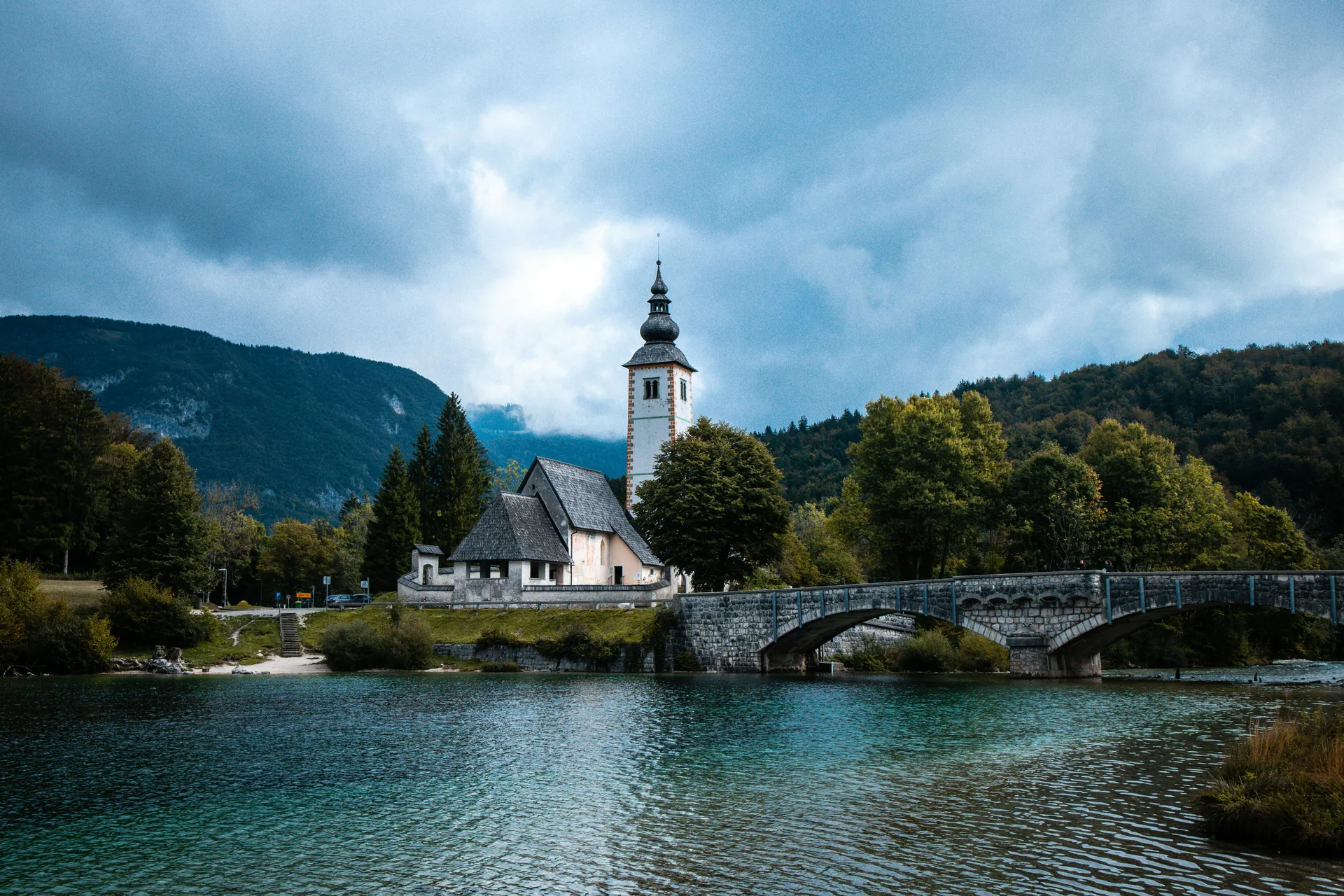
Book your room in Ribčev Laz by March if you plan to visit in August. The properties near the bridge disappear fast.
Stara Fužina: A Proper Alpine Village
Stara Fužina is a working farming community. It sits slightly inland from the lake, defined by narrow streets and old hayracks. The air usually smells of woodsmoke and damp earth. This is a proper alpine village where you hear cowbells ringing in the early morning. Hotel Majerca is the standout property here. It is a modern space blending traditional Gorenjska customs with contemporary design elements.
The dining room at Hotel Majerca holds a Michelin Bib Gourmand status. They serve elevated regional dishes like local trout and aged cheeses. Many visitors also opt for the private apartments lake bohinj residents rent out in this village. These provide a quiet retreat after a long day of walking. Finding good accomodation here connects you directly to the trail networks you want to hike from. The path to the Mostnica Gorge begins directly behind these farmhouses.
Ukanc: At the Edge of the Wild
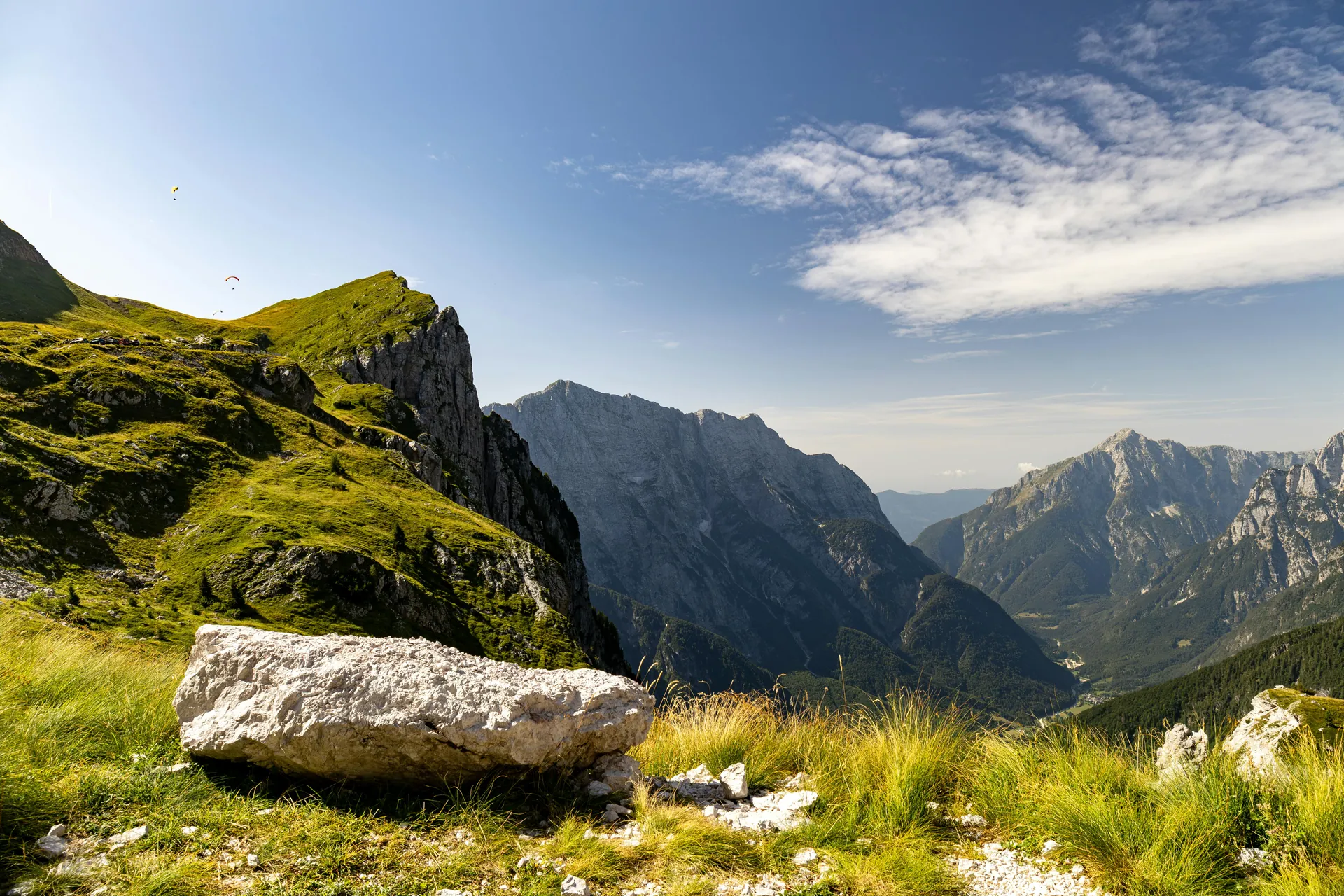
Ukanc sits at the remote western end of the lake. The forest here is dense and dark. The sunlight disappears earlier in the afternoon because the steep walls of the Julian Alps block the horizon. Baraba prefers the soft pine needles of the Ukanc forest floor to the paved roads of Ribčev Laz. This settlement feels entirely detached from the rest of the valley.
Camp Zlatorog occupies the western shore. It is a large, forested campsite where you pitch a tent steps from the water. The official 2026 operating season runs from 27 March to 11 October. Waking up here puts you right at the trailhead for the steep ascent to Savica Waterfall. There are very few facilities in Ukanc. You trade convenience for absolute silence. If you are debating whether Lake Bohinj is worth it compared to Bled, this isolated corner usually gives the definitive answer.
Ukanc is where the paved road ends and the high alpine rock begins. It is the rawest part of the valley.
Bohinjska Bistrica: The Practical Valley Floor
Bohinjska Bistrica is the largest town in the valley, located a few kilometres away from the lake itself. It has supermarkets, a train station, and wider roads. The lake bohinj hotels in this town cater to specific demographics. Sunrose 7 is a heritage hotel strictly for adults over sixteen. It has a beautiful garden and focuses heavily on digital detox. You can review their room types on Trip.com or Booking.com.
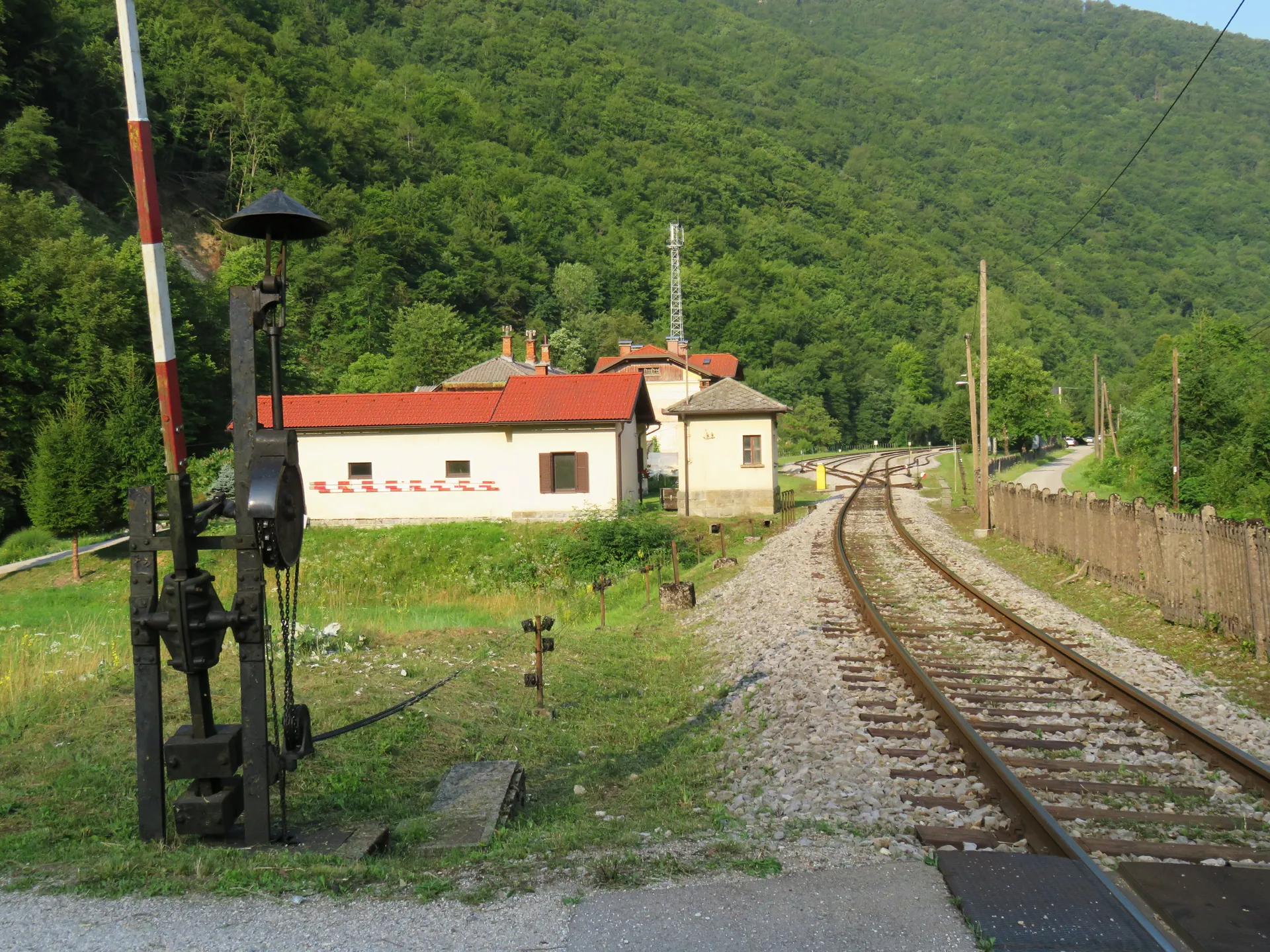
Families tend to prefer the Bohinj Eco Hotel nearby (Booking.com, Hotels.com). It includes the Aquapark & Wellness Bohinj, a large indoor water park that saves the day when the alpine weather turns foul. The resturant options here are also more varied and accessible. While you are not waking up to lake views, you gain immediate access to the Bohinj Railway for day trips toward the coast.
Hotels Versus Local Apartments
The choice between a full-service hotel and a self-catering apartment shapes your routine in the valley. Hotels like Jezero (Booking.com) and Majerca (Hotels.com) remove the burden of cooking and cleaning. You wake up, eat breakfast, and walk straight out to the water. The private apartments lake bohinj locals rent out require more effort but give you complete independence. You buy your groceries at the Mercator in Ribčev Laz or Bohinjska Bistrica. You cook your own meals using local ingredients. This approach fits well with the slow-travel philosophy promoted by the Triglav National Park authority.
Many people choose their basecamp based on the lake circuit. The path around the water is roughly twelve kilometres long. If you stay in Ribčev Laz, you start the loop immediately. If you stay in Stara Fužina, you add a short walk across the meadows before reaching the northern shore path.
- Ribčev Laz: Best for transport links and immediate lake access.
- Stara Fužina: Best for authentic village life and quick access to gorge trails.
- Ukanc: Best for camping and profound isolation.
- Bohinjska Bistrica: Best for train travel and family amenities.
Day Trips and Alternative Plans
Some travellers prefer to base themselves in Ljubljana and visit the region on a day trip. This makes sense if you have limited time and do not want to change hotels. You can join a Lake Bled and Bohinj with Savica waterfall included excursion. This handles the driving and the parking logistics. Spending at least two nights in the Bohinj valley itself allows you to see the water before the daytime crowds arrive.
The water is cold, but swimming is entirely possible during the summer months. The northern shore has small pebble beaches. Staying at Camp Zlatorog in Ukanc means you can walk out of your tent and directly into the water for a morning swim. While tourists often ask what creatures live in Lake Bled—mostly large wels catfish and swans—Lake Bohinj feels much wilder. You see brown trout moving in the shallows and chamois high up on the crags. Read our weather and comparison guide to see if this lower-valley location suits your itinerary.
Essential Guest Perks & Booking Rules
When booking accommodation around Lake Bohinj, two critical practical details can radically alter your budget: the local guest mobility card and seasonal booking surcharges. Most official guesthouses (sobe) and private holiday apartments (apartmaji) operate as partner properties with the tourist board. If you stay for two or more nights at a partner establishment, you can purchase or receive the Julian Alps Card: Bohinj (Kartica Julijske Alpe: Bohinj).
During peak summer, parking anywhere near the shoreline can easily set you back €15–20 per day. The guest card offsets this by unlocking free access to municipal car parks, unlimited travel on local shuttle buses, and free or heavily discounted entry to popular sights such as Mostnica Gorge and Savica Waterfall. Baraba and I frequently use these local electric shuttles to reach upper valley trailheads without the stress of navigating congested mountain lanes.
It is also worth noting that Slovenia enforces a mandatory tourist tax (turistična taksa)—typically around €3.50 per adult per night—which third-party booking portals often omit from their initial headline price. During the summer high season (July and August), many local hosts enforce a minimum stay of three nights. Booking a shorter stay during peak months frequently carries a 20% to 30% short-stay surcharge. Finally, if visiting in July or August, verify that your accommodation includes proper air conditioning; traditional alpine wood and stone dwellings retain heat far longer than expected once an afternoon thunderstorm passes.