The Ethos of Triglav National Park
The Julian Alps demand a certain level of respect. This morning, the weather over the Bohinj basin is acting like a stubborn local elder refusing his morning coffee, shifting from brilliant sunshine to a brooding, heavy mist in a matter of minutes. The landscape here is wild. Keeping it that way requires strict boundaries. Triglav National Park is Slovenia’s only national park, and the regulations are not mere suggestions for tourists to ignore. The rules you have to put up with exist to protect a fragile alpine ecosystem from the sheer weight of modern footfall.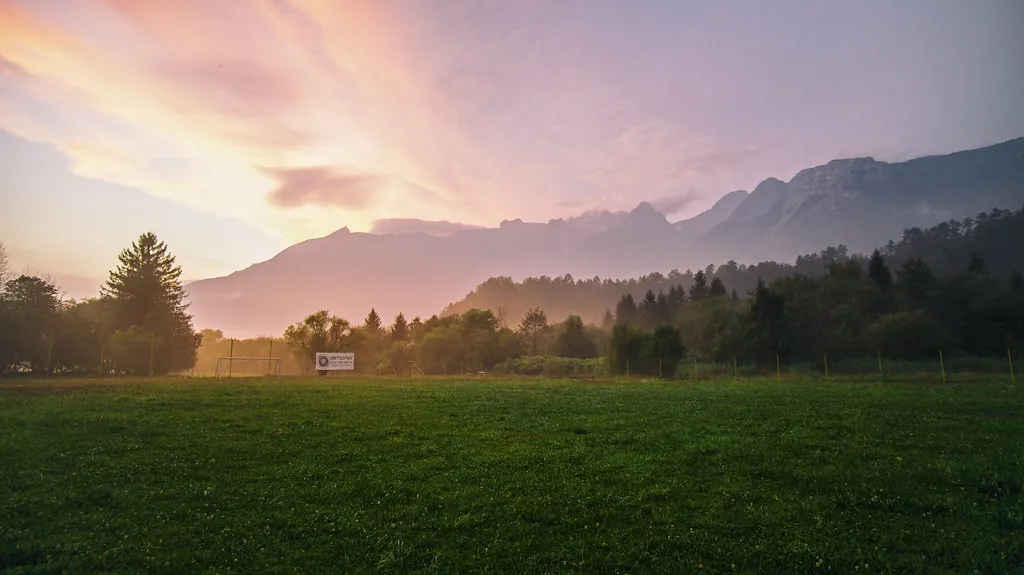
Navigating Lake Bohinj Parking and Transport
The Reality of Bohinj Lake Camping
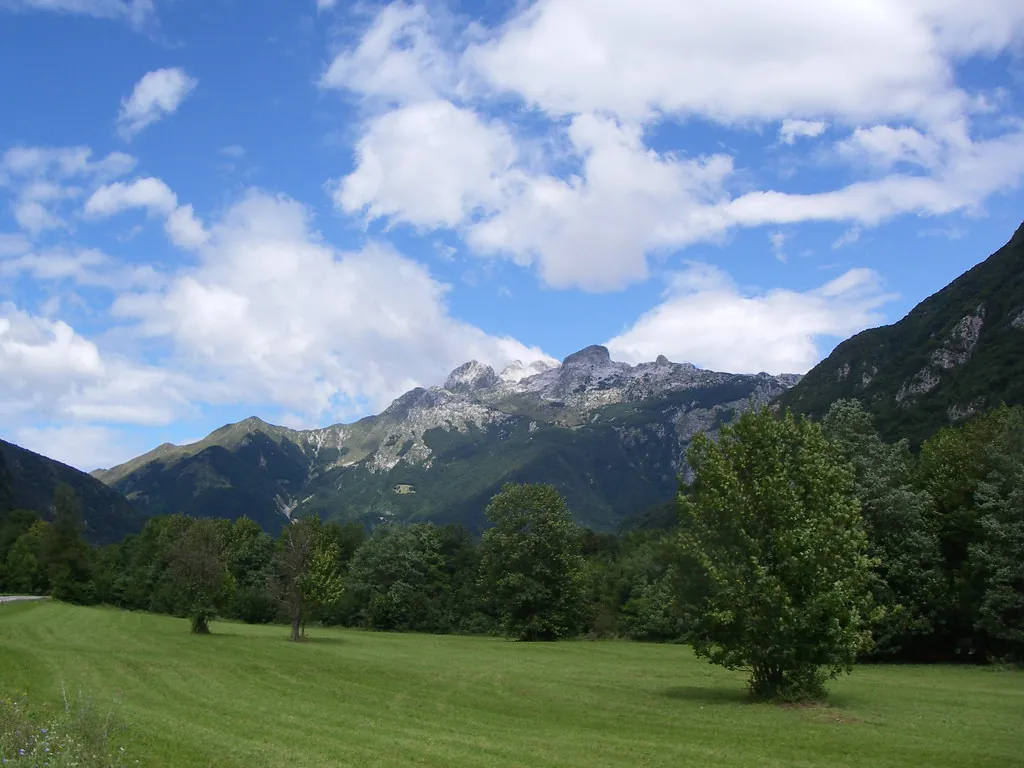
Van life and wild camping are immensely popular across Europe. Triglav National Park is a strict exception to this trend. Wild bohinj lake camping is illegal. Sleeping in campervans, motorhomes, or standard cars overnight in parking lots, lay-bys, or forest clearings is entirely prohibited. In early 2026, the 11 municipalities comprising the Julian Alps Biosphere Reserve agreed to unify their penalty systems. The fine for illegal camping is now €500. This steep increase deters budget travelers who previously found cheap parking tickets more economical than paying for a campsite. The penalty drops to €250 if paid within eight days, but it remains a severe disruption to any holiday budget. You must use designated campsites. Camp Zlatorog sits directly on the western shore of the lake in Ukanc, offering immediate water access beneath the tree canopy. Camp Danica is located slightly further out in Bohinjska Bistrica, providing excellent facilities alongside the Sava Bohinjka river. Driving large motorhomes is restricted on specific narrow forest roads, including the routes toward the Voje Valley and the Blato pasture. Check our accommodation guide to secure a legal, comfortable pitch well in advance.Swimming in Lake Bohinj and Vessel Rules
Trails, Wheels, and Paws
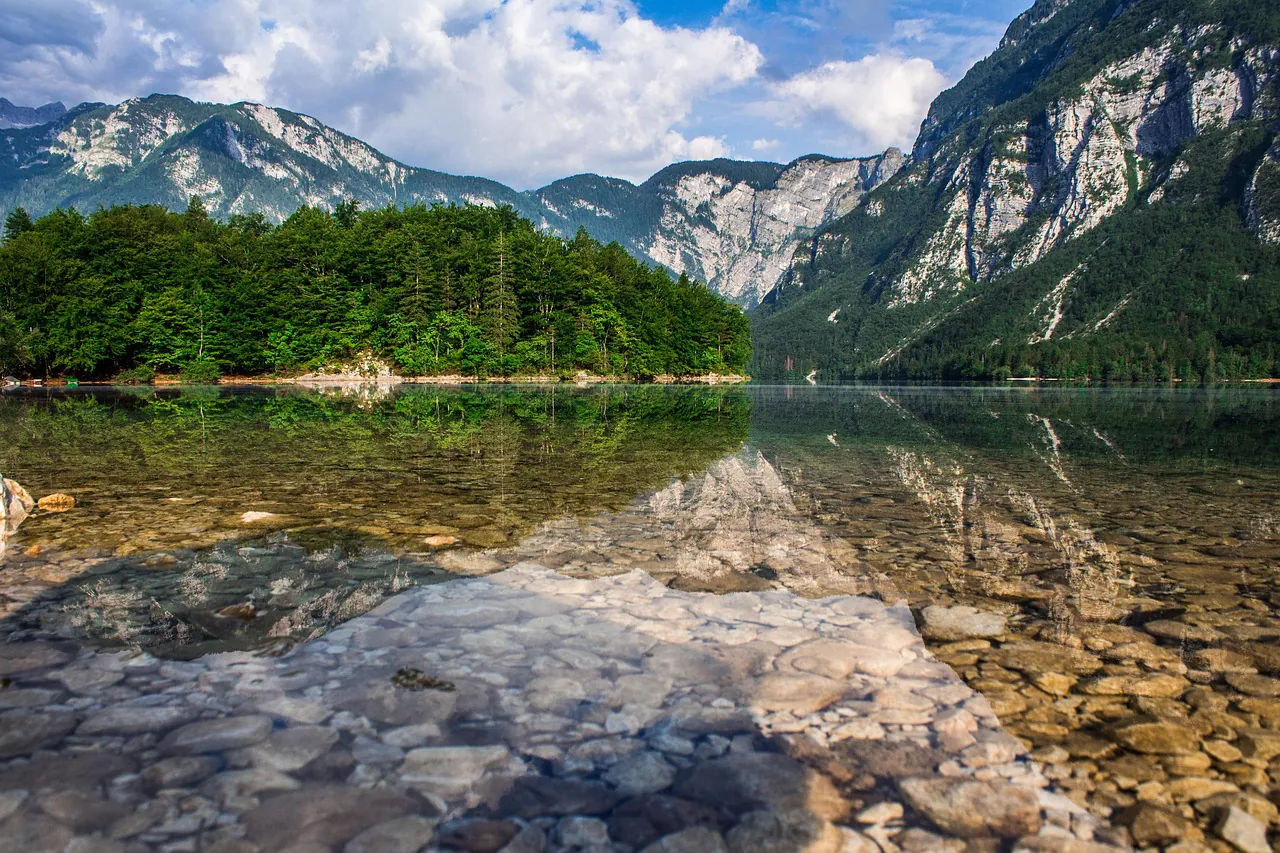
Cycling is a fantastic way to explore the lower valley, but bikes are strictly banned on teh northern shore walking trail of Lake Bohinj. That specific path is narrow, rugged, and reserved exclusively for pedestrians. Cyclists must use the paved road on the southern shore or the dedicated cycle paths connecting Ribčev Laz to Bohinjska Bistrica. My dog, Baraba, loves the alpine air as much as I do. Visiting with dogs is permitted, but they must remain on a physical leash at all times. Loose dogs frighten local wildlife, disturb grazing cattle, and annoy other visitors. Dogs are allowed to swim in the lake, but only outside the official human bathing zones. Drones are banned across the entire airspace of Triglav National Park. The noise disrupts nesting birds and ruins the quiet atmosphere for hikers. You will face immediate fines and the potential confiscation of your equipment if caught flying a drone over the lake or the surrounding peaks.Hiking etiquette is simple. Stay on the marked trails. Do not forge new paths through the undergrowth. Foraging for alpine flora is illegal, as many plant species are protected. We share these mountains with native wildlife, including a stable population of brown bears. While encounters are incredibly rare, making noise on the trails ensures you do not surprise any resting animals. Read our full bear and wildlife safety guide for detailed trail protocols.Leave the drone in your hotel room. The view from the Vogar viewpoint is spectacular enough without needing a camera hovering fifty meters above your head.
Jakob Vogel
Frequently Asked Questions
Can I swim in Lake Bohinj?
Yes, swimming is permitted and highly encouraged during the summer months. Unlike many other protected alpine lakes, you are allowed to swim anywhere in the entire Lake Bohinj, though the official bathing areas with the best access are located at Fužinski Bay and Ukanc. The water is cooler than nearby lakes, offering a crisp, refreshing dip.
Are there bears in Bohinj?
Brown bears do live in the dense forests of the Julian Alps and the broader Triglav National Park area. They are naturally shy and actively avoid human contact. Hikers should stay on marked trails and talk normally to ensure they do not surprise any wildlife.
How long does it take to walk around Lake Bohinj?
The trail wrapping around the entire lake is approximately 12 kilometers long. Most walkers complete the loop in three to four hours at a moderate pace. The path is relatively flat, though the northern shore involves navigating tree roots and rocky patches.
Is Bohinj colder than Bled?
Lake Bohinj is situated deeper in the alpine basin and sits at a higher elevation than Lake Bled. The water and air temperatures are generally a few degrees colder year-round. Morning mist and sudden afternoon rain showers are frequent due to the surrounding mountain peaks.
Is there a tourist train around Lake Bohinj?
There is no tourist train circling the lake. The local authorities prioritize preserving the natural, quiet environment over commercial transport loops. Visitors must rely on walking, cycling, or the scheduled public shuttle buses to navigate the area.